
Currently Trending
Why is My Starlink Slower When it Rains? (And How to Fix It)
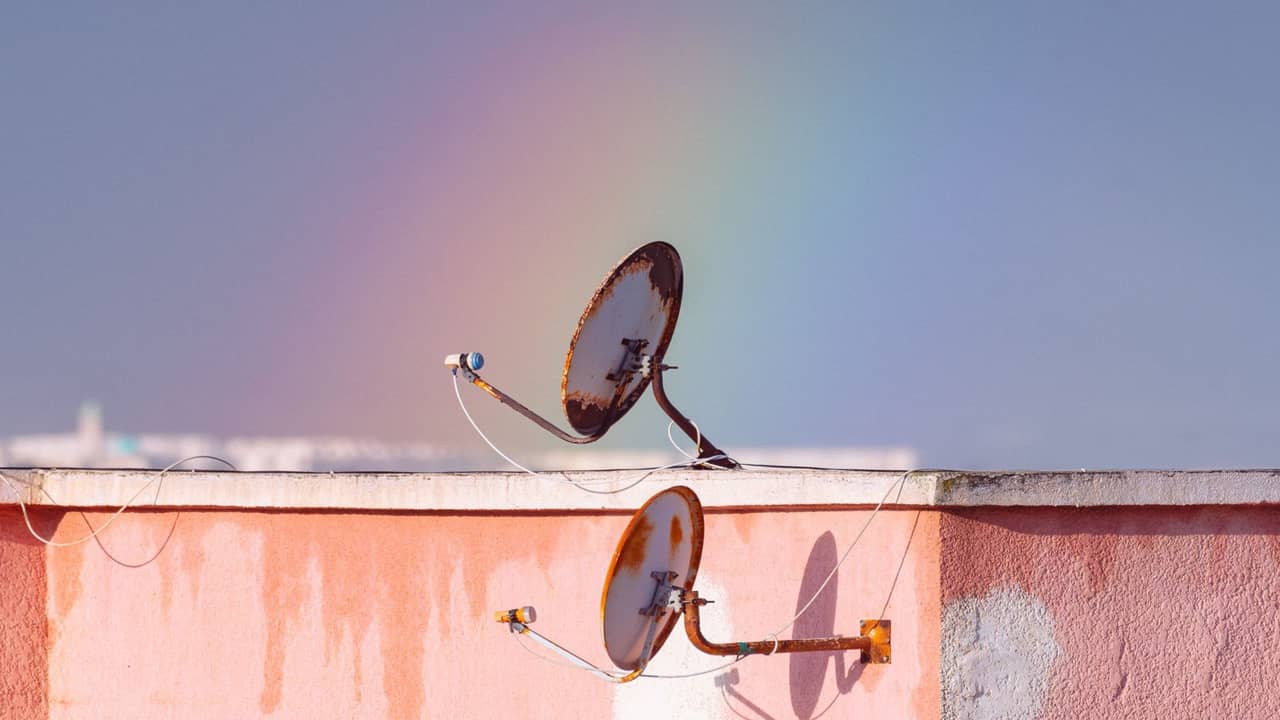
Starlink slows in heavy rain because water in the path fades the radio link. A healthy install usually recovers when the storm cell passes. If the link is still poor after the sky clears, check obstruction, the mount, power, and the Wi-Fi inside the building before you treat the dish as faulty.
This is the national note. Port Harcourt has its own local article, rain fade in the Garden City. Dust in the dry season is a different fault, covered in harmattan and the dish. The pattern shows up across the south, including Lagos, Calabar, and Warri, and it is physics shared by Ku and Ka-band links.
Professional installs document a dry baseline so you know what recovery looks like. If you skipped a survey, start with the installation guide and home installation.
What rain fade actually does
Water droplets scatter and absorb radio energy between the dish and the satellites. Throughput drops, and latency may jitter during handoffs. Light rain may only trim the peak. A tropical downpour can push a healthy link down into the tens of megabits until the intensity eases. A 10–20 percent trim, or a temporary range around 20–80 Mbps, is an indicative field observation, not a guarantee for your address. The link usually recovers without a truck roll.
When slow rain performance signals a fixable problem
Obstruction: trees, parapets, or water tanks steal sky view — rain adds fade on top of an already marginal link. Fix with higher mast or cleaner mount from survey. Loose mount: vibration mis-aims the array — torque brackets after harmattan. Water on dish face: wipe gently when safe; don't spray pressurized water at seals. Indoor Wi-Fi congestion: everyone streaming while rain drums the roof — Ethernet test beside router proves satellite vs Wi-Fi.
App diagnostics during storms
Starlink app shows obstruction map, uptime, and weather notifications. Screenshot during a dry baseline and during rain for support comparisons. Persistent offline is different from slow — see offline troubleshooting.
Power flickers during thunderstorms
NEPA and generator changeovers reboot router and dish mid-storm — feels like rain failure but is power. UPS on networking gear reduces false blame. Mini users size banks for reboot inrush.
Estate and roof access for seasonal maintenance
Trim branches before rainy season. Clear clogged drain splash onto dish footing. Reseal cable glands annually — water ingress causes offline errors that mimic rain fade.
When to call DataGram vs wait
Wait: speeds dip only during heavy cells, recover within minutes after, dry-weather tests strong. Call: obstruction score worsened after neighbour construction, cable faults correlate with wet walls, mount shifted visibly. We re-survey Delta and coastal sites before Q2 storms.
Rain fade vs your Wi-Fi mesh
Nigerian flats with concrete walls and POP ceilings often blame Starlink during storms when the real bottleneck is mesh backhaul on 5 GHz through wet courtyard air. Wire one access point to the Starlink router and retest during rain — if speeds jump, satellite was never the problem. Whole-premises Wi-Fi design matters as much as dish alignment for rainy-season Zoom.
Comparing rain behaviour to MTN 5G and fibre
Terrestrial links also struggle when tower backhaul or street fibre floods, but the failure mode differs. Starlink fades smoothly then recovers when the cell passes. If you run hybrid WAN, policy routing can shift voice traffic to whichever path is healthy — see MTN 5G comparison and enterprise failover scopes.
Seasonal prep checklist before April rains
Trim overhanging branches, re-torque mount bolts after harmattan vibration, reseal exterior glands, photograph dry-weather obstruction score, and test UPS runtime through one generator changeover. Installers on our sales and installation service document baseline speeds at handover so you know what normal looks like when clouds roll in.