Currently Trending
Best Power Bank / Inverter Sizes for Starlink Mini in Nigeria
Starlink Mini is popular in Nigeria partly because it draws less power than Standard — easier to keep alive through NEPA gaps with a right-sized power bank or inverter battery. Wrong sizing means the dish reboots mid-Zoom when the generator takes ten seconds to catch. This guide translates watts into naira spent on batteries without pretending one power bank fits every compound.
Confirm your exact Mini power supply specs in the kit manual. Figures here are planning bands — measure with a plug meter on your circuit. Pair with Mini vs Standard if you have not bought hardware yet. We integrate UPS paths on home installs nationwide.
Typical Mini power draw (planning bands)
Idle to moderate throughput: often roughly 25–45 watts for Mini router and dish combined in field notes. Boot and satellite search after outage: short spikes higher — budget inrush headroom. Standard dish users should not use Mini tables — Standard needs larger inverter capacity.
Power bank sizing — hours of runtime
Convert watt-hours (Wh) on the power bank sticker to runtime: Runtime hours ≈ (Wh × 0.85 efficiency) ÷ watts draw. Example planning math: a 500 Wh station at ~35 W average draw yields roughly 12 hours — enough for many evening outages if you disable unnecessary mesh nodes. A 1000 Wh (1 kWh) class station doubles that — popular for solo remote workers in Lagos flats with one fridge-off policy during outages.
Consumer power stations from brands Nigerians already import (EcoFlow, Bluetti, Anker — availability varies) work if pure sine output is specified for sensitive electronics. Modified sine cheap inverters cause odd router behaviour.
Inverter and battery combos for home Mini
Small 600 VA–1.5 kVA inverter banks common in Nigerian homes can run Mini plus a laptop if battery Ah is honest. Mini alone on a 200 Ah 12 V bank often survives many hours — but everyone else plugs TV and fridge and wonders why Starlink died. Segregate a 'networking' circuit or accept shared runtime math.
UPS vs power station vs whole-home inverter
Line-interactive UPS: minutes to an hour, smooth flickers, great for router handoff. Power station: portable, silent, good for Mini-only desk setups. Whole-home inverter: hours if fuel and batteries maintained — ensure pure sine and networking circuit priority.
Generator changeover survival
Ten-second dark gap kills unc conditioned links. UPS on router and Mini supply bridges gap — size for watts times minutes, not headline VA. Test changeover monthly.
Solar supplement
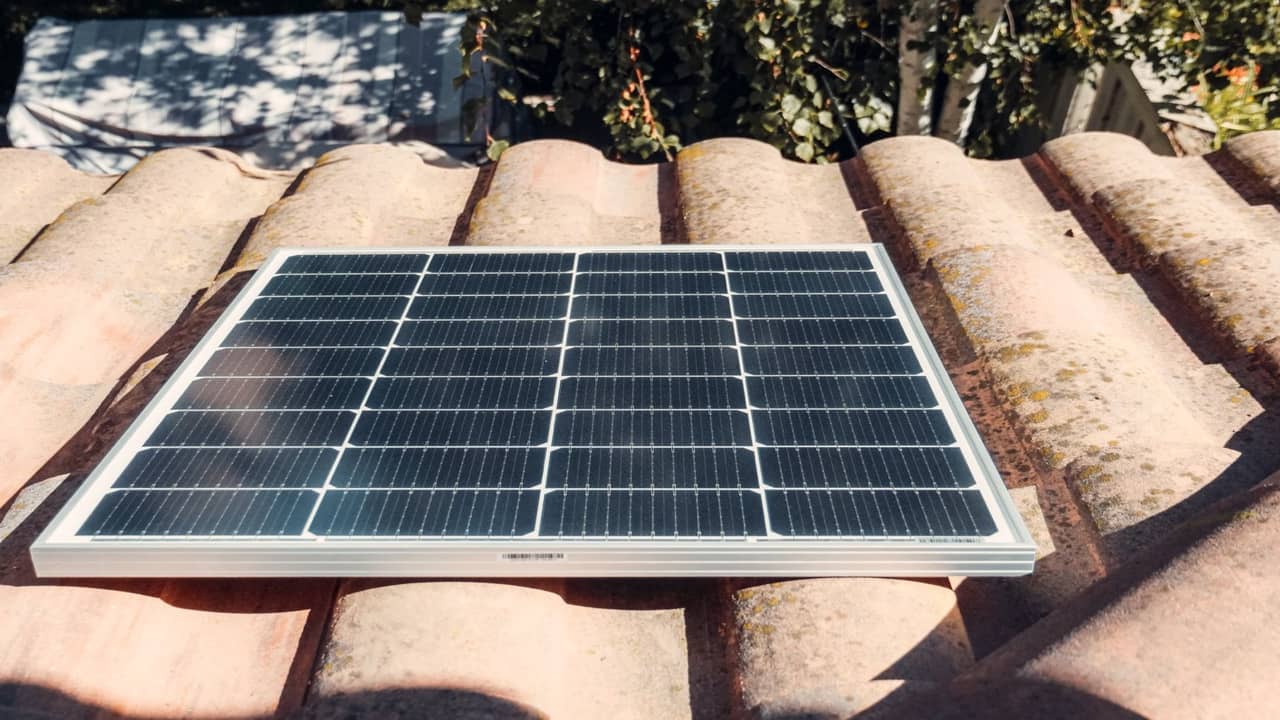
200–400 W panel plus MPPT into a station extends daytime runtime for remote camps. Delta creek sites use solar-first with generator backup — document who powers down at night.
What not to buy
Laptop power banks without AC or correct DC output for your Mini supply. Undersized modified sine inverters that buzz and drop voltage on inrush. Sharing one tiny UPS between fridge and Starlink.
Worked examples for common Nigerian setups
Solo developer in Lekki flat, 4-hour evening outages: 500–720 Wh power station, Mini on dedicated AC outlet, laptop on separate battery — expect one work session per charge if mesh is off. Family compound with 1 kVA inverter and 200 Ah battery: Mini on isolated breaker often runs overnight if fridge is on another circuit. Remote NGO desk with solar: pair 300 W panel with 1 kWh station for daytime autonomy; generator tops up weekly.
Professional integration
DataGram documents Mini watt draw at handover and recommends UPS placement on backup power projects. Whole-home inverter users should confirm pure sine and segregate networking — we note circuit IDs on home installs when scoped.
Testing before rainy season
Kill grid breaker, run Mini plus router on backup only, time to shutdown. Repeat after generator changeover drill. If runtime is under two hours when you need four, size up before April storms — not during a client demo.