
Geo-Specific
Starlink in Port Harcourt: Overcoming Rain Fade in the Garden City
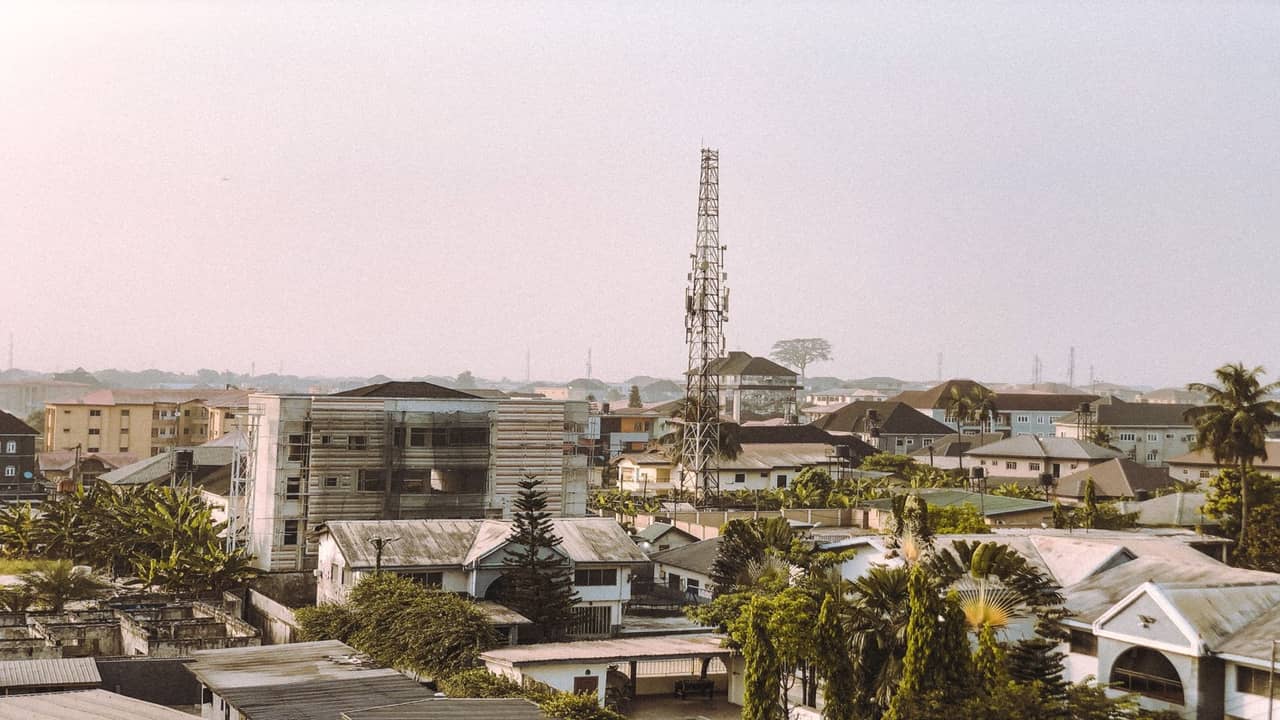
Port Harcourt earns its rain reputation. Gulf of Guinea weather systems dump hard on the Garden City for hours — and LEO satellite links fade during heavy precipitation. That is physics, not installer failure. What professional Starlink installation in Port Harcourt delivers is a low obstruction score, proper grounding before lightning season, and honest baseline speeds so you know rain recovery time versus a misaligned dish hunting satellites behind a mango tree.
Rivers State humidity also attacks cheap glands and unbonded mounts. Coastal air corrodes underspecified brackets faster than inland Abuja. Install once with marine-minded hardware choices and documented earth bonds, or budget rework within two rainy seasons.
Rain fade: what to expect
During intense downpours, throughput drops and latency may spike briefly. Light rain often barely registers on a healthy link. Obstruction and alignment dominate perceived problems — a dish mounted too low in a compound courtyard sees longer recovery after storms pass.
Field ranges in good conditions commonly land download roughly 50–1,000 Mbps and upload 10–100 Mbps with latency 20–40 ms when indoor Wi-Fi is not choking laptops. Record day-one baselines and compare after weather — not against social media screenshots from dry season in another city.
Install choices that help in PH compounds
Raise mounts above two-storey neighbour walls and generator exhaust plumes. Route cable in UV conduit with drip loops; never rest integrated cable on compound walls where rats travel. Bond earth properly — PH estates near the coast see strikes that fry ungrounded routers indoors.
Courtyard bungalows with open internal yards often need tripod masts or short poles in the centre of the compound where sky view beats roof corners blocked by water tanks. Port Harcourt installers survey both roof and yard options before drilling.
Power and generator changeovers
PH households run generators frequently. UPS on router and dish prevents reboot loops during transfer. Document pure sine requirements if whole-home inverters feed networking gear — modified sine causes odd Starlink router behaviour.
Oil & gas adjacent sites
GRA homes and small offices supporting energy sector staff often need upload headroom for Teams and VPN. Plan class matters — confirm business tiers on checkout if upload is continuous. Hybrid WAN with fibre where available is common; Starlink adds independence from street cuts.
For offshore-adjacent logistics, see maritime installation — berth and underway profiles differ from fixed compound installs.