
Currently Trending
How Much is Starlink in Nigeria Today? Current Price in Naira (2026)
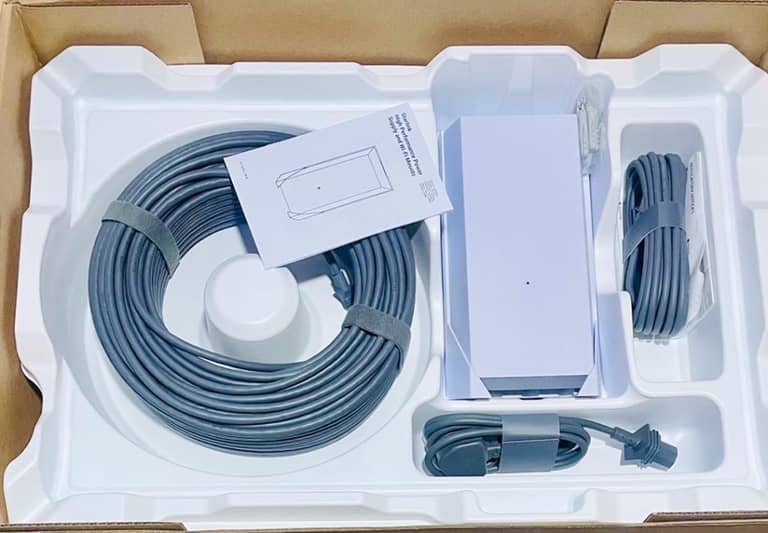
Equipment references updated 9 October 2026 from figures supplied by DataGram's Starlink client. They are Starlink equipment references, not DataGram selling prices, and they have not been re-read from checkout on this date. Subscription, installation labour, and project estimates on this page are unchanged.
How much is Starlink in Nigeria today? The honest answer has three moving parts: the kit price Starlink charges at checkout, the monthly subscription for your plan class, and what it costs to mount, cable, ground, and hand over the link on your property. Social media screenshots go stale within weeks because Starlink adjusts USD list prices and the naira equivalent shifts with the exchange rate. Before you transfer dollars or naira, open Starlink's official site and walk through checkout for your service address — that is the only live price table that matters on the day you buy.
This guide frames realistic naira ranges for Nigerian buyers in 2026 without inventing exact figures that will be wrong tomorrow. We install nationwide through our home installation service and regional teams in Lagos, Abuja, and Port Harcourt. Use the ranges below for budgeting; confirm hardware and plan totals on Starlink before you commit.
Starlink price table for Nigeria (2026) — read as ranges, not promises
Hardware (one-time kit): Starlink sells Standard, Mini, and High Performance hardware tiers. The one-time equipment charge appears in the app and web checkout after you enter a valid Nigerian service address. In broad terms, residential Standard kits have historically landed in a band roughly equivalent to several hundred thousand naira at prevailing USD/NGN rates — Mini kits often sit somewhat below Standard on hardware, while High Performance equipment costs materially more because of the larger phased array and mount options. Exact naira amounts change when Starlink updates USD pricing or when the checkout FX conversion moves. Do not rely on a WhatsApp forward from March; open starlink.com the week you plan to pay.
Monthly subscription (recurring): Residential, business priority, and mobility or roaming add-ons each carry separate monthly fees in checkout. Nigerian residential plans have commonly appeared in a monthly band from tens of thousands of naira upward for standard home use, with business and high-throughput tiers reaching much higher monthly totals. Roaming and portability features, if you need them, add on top of the base plan — see our roaming restrictions guide before you enable extras you may not need. Again: the subscription line item in the Starlink app on the day you subscribe is authoritative.
Professional installation (local labour and materials): Starlink ships a self-install kit; mounting on Nigerian roofs, estate conduit, grounding, and mesh Wi-Fi are local costs. Across the market, installation labour alone often falls roughly between ₦10,000 and ₦150,000 depending on travel, roof complexity, and conduit length. Full turnkey projects that include survey, materials, configuration, and handover testing frequently land in a wider band — commonly on the order of ₦450,000 to ₦1,060,000 or more for residential and SME sites when hardware, cabling, UPS, and estate compliance are in scope. Enterprise and multi-site work is quoted after technical survey. These installation figures are installer market ranges, not Starlink list prices.
Why USD/NGN fluctuation changes your total overnight
Starlink checkout for Nigeria typically presents naira amounts converted from USD list pricing. When the naira weakens or strengthens against the dollar, the kit total on your screen can move even if Starlink has not changed its dollar price. The same effect hits importers who bring accessories through parallel channels. Budget a small buffer above today's checkout screenshot if you are fundraising or waiting for estate approval — a two-week delay has surprised procurement teams when FX moved.
Paying with virtual dollar cards? Your bank or fintech may use a slightly different FX rate than Starlink's checkout, plus card fees. See our guide on how to pay for Starlink in Nigeria for card options Nigerians commonly use. None of this is tax or legal advice — it is practical budgeting.
What is included in the hardware kit vs what you pay locally
The hardware charge generally covers the dish, integrated cable, router or power supply unit, and mounting hardware in the box for your kit type. It does not include extended mast, non-penetrating weighted bases for fragile slabs, surge protection, UPS for NEPA changeovers, estate-approved conduit, or professional alignment on a parapet with partial sky view. Those are why two households both looking at the same Starlink checkout total can end up with different all-in project costs.
Mini buyers optimizing for inverter power should also budget backup power — our power bank and inverter sizing guide walks through watt-hours for Mini runtime during outages.
Plan class affects monthly price more than gossip suggests
Residential fixed service at a registered address is the default mental model. Business priority, higher throughput tiers, and mobility classes change both monthly fee and performance expectations. If you run CCTV upload, a small office, or an NGO field site, confirm plan class during survey — not after the kit arrives. Enterprise Nigeria deployments often pair plan selection with VLAN handoff and failover design.
Lagos, Abuja and Port Harcourt: check the address before you assume residential is paused
Some new subscribers in Lagos, Abuja, and Port Harcourt see "only Priority Plans available in your area" on the Starlink website. That message is per address. It is not a standing rule for every street in those cities, and later reporting said some Port Harcourt addresses had residential signup again. Where the screen does offer Priority, the plan is ₦159,000/month. DataGram activates that plan and handles the installation. Learn about the Priority Plan →
Four different costs, kept separate
Equipment, subscription, installation labour, and a full project total are not the same bill. Equipment is what Starlink charges for the kit. Subscription is the monthly plan. Installation labour is the local mounting job. A project total is only meaningful after those pieces, plus any materials, are added on a written quote. This page does not add them into a new all-in figure.
Equipment references supplied 9 October 2026
The ranges above are how to think about budgeting. The equipment figures in the next paragraph are client-supplied Starlink references dated 9 October 2026. Confirm them at Starlink checkout for your own service address on the day you pay. Subscription and installation figures further down were already on this page and have not been changed.
Equipment, one-time, as Starlink's own kit price: the Standard Kit reference is ₦690,000. The Starlink Mini reference is ₦400,000. Mini draws less power and suits portable, single-user, or backup roles rather than a full household on video calls. High Performance hardware sits well above both and is specified for offices, high-user sites, and maritime work rather than homes. DataGram's own selling prices for hardware, where they differ, are on the product pages and are not replaced by these references. Whether ₦690,000 is the right spend is a separate question — see the worth-it review.
Subscription, monthly, unchanged: residential runs ₦57,000–₦75,000 depending on plan tier and location. The Priority (Business) plan starts at ₦159,000 and includes priority throughput, meaning your connection is not deprioritised during the evening peak the way residential is. Where a Lagos, Abuja, or Port Harcourt address is offered Priority rather than residential, ₦159,000 is the figure on that screen. It is not a standing monthly price for every new subscriber in those cities. How that capacity message works is in the Lagos and Abuja capacity article.
Installation labour, one-time, unchanged: quoted per job after survey, commonly ₦10,000–₦150,000 depending on travel, roof complexity, and conduit. The variables are travel distance from our nearest deployment hub, roof or parapet complexity, cable run length, estate conduit requirements, and whether the site needs a mast raise to clear obstructions. A short run on an accessible bungalow and a fourth-floor parapet mount with estate-mandated conduit are not the same job and should not carry the same price. The longer explanation is the installation-cost guide.
Project estimates, unchanged: full turnkey jobs are still commonly discussed in the ₦450,000–₦1,060,000 band already published above when hardware, cabling, UPS, and estate compliance are in scope. That band was not rebuilt from the new kit references.
Earlier worked example, kept as published and not recalculated: hardware then shown at ₦669,000 plus twelve months at ₦57,000 was stated as ₦1,353,000 in year one, before installation. Spread across 24 months that same illustration was roughly ₦85,000 per month, using ₦669,000 of hardware plus ₦1,368,000 of subscription. Those totals are the previous illustration. They are not the sum of the 9 October 2026 kit references. From month 25 of that illustration you are paying subscription only, because the hardware is already yours.
Hidden costs Nigerians forget until month two
Estate security deposits and conduit colour matching in Lekki or Maitama. Generator fuel if you reboot every changeover without UPS. Mesh nodes when concrete walls kill Wi-Fi — the satellite link is fine while laptops in the back bedroom show one bar. Annual hardware warranty considerations if you buy through grey importers instead of official checkout. Roaming fees if you travel without reading plan rules.
Installation rework is the expensive surprise: a dish mounted too low behind a parapet, a cable pinched in a POP ceiling, or skipped grounding before lightning season. A paid survey before purchase is cheaper than moving a welded bracket.
How to get an accurate all-in number this week
Step one: enter your service address on starlink.com and record hardware plus monthly subscription shown. Step two: book a site survey if your roof, estate, or office needs professional scope — we document mount type, cable path, and materials. Step three: add local line items you know you need (UPS, mesh, conduit). That three-part sum is your honest 2026 budget.
For delta compounds and creek camps, travel and access affect install quotes — see Delta State and Bayelsa coverage pages for regional notes.
Comparing Starlink to other internet spend
Some buyers stack Starlink beside fibre, Spectranet, or MTN 5G rather than replacing everything day one. Monthly Starlink subscription plus local install is a capex/opex conversation — our Spectranet vs Starlink comparison and MTN 5G speed test notes help frame when satellite wins. The price question is really a downtime and upload question for remote workers.