
Maritime
VSAT vs Starlink ROI for Nigerian Offshore Operations (2026)
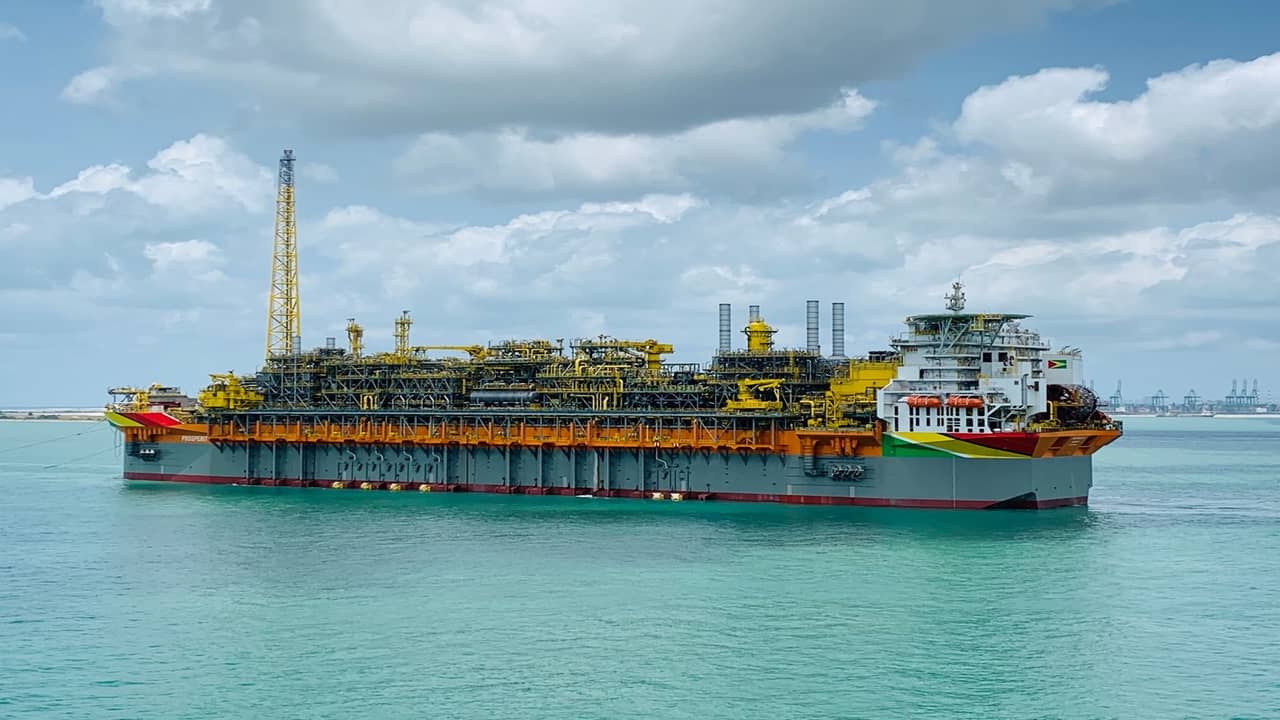
Updated 20 November 2026. For a working vessel, the usual answer is both. Starlink is the low-latency path for voice, VPN, and crew traffic. VSAT stays where the contract, the coverage, or the operations desk still needs a second link. Hybrid is the architecture. Ripping VSAT out on day one is the exception, and only after a survey shows it has no remaining job.
This comparison is for operations directors and IT leads on OSVs, jack-ups, FPSOs, and oil camps. Latency figures below are indicative ranges commonly discussed for geostationary VSAT and Starlink LEO — not a guarantee for a named vessel, heading, or weather day. Monthly VSAT bands are industry operating ranges used for planning, not a DataGram price list. Confirm live Starlink Global Priority pricing in checkout on the day you buy. How the two links share traffic is marine SD-WAN. Plan class detail sits in Ocean Mode vs Global Priority and activation.
Evidence-based comparison
Planning comparison only. Figures are indicative industry ranges, not DataGram guarantees or a published savings claim.
| Factor | Managed VSAT (GEO) | Starlink Global Priority (LEO) | What to verify |
|---|---|---|---|
| Connectivity resilience | Mature maritime product; rain fade and fringe beams still apply | Low-latency LEO path; rain fade and obstruction still apply | Charter SLA, dual-WAN design, not a single-path promise |
| Backup role | Often kept as documented second WAN after Starlink cutover | Can be primary with VSAT or LTE as backup | Written failover order and test logs |
| Data requirements | CIR and fair-use / overage maths drive crew policy | Priority data buckets; residual rate after Priority is exhausted | Crew count, CCTV upload, welfare streaming policy |
| Operating conditions | Dome realignment after yard periods; specialised maintenance | Clear sky view, marine mount, salt-rated glands, UPS | Survey at berth and typical heading |
| Equipment & service cost | Industry planning band often ~$1,500–$4,000/month service, plus maintenance and overages | USD Priority buckets + kit + marine install labour | Your last four invoices vs live checkout — no invented % savings |
| Maintenance | Vendor dome visits and realignment cycles | Mount, cable, router, and account hygiene; optional SD-WAN care | Who owns faults at 02:00 |
| Business suitability | Strong where contracts already mandate VSAT | Strong for interactive voice, VPN, and crew broadband | Flag-state / charterer documentation requirements |
Why both links stay
Starlink changes what interactive work feels like. VSAT still covers a failure of the LEO path, a yard period, or a charter that already requires the legacy circuit. Keeping VSAT as a documented second WAN is not a failed migration. It is the design. Backup connectivity reduces risk; it does not guarantee zero downtime. Crew Wi-Fi on that shared uplink is a separate LAN problem, covered in crew VLAN design.
What managed VSAT actually costs on a Nigerian OSV
Industry figures for managed VSAT service on OSVs operating in the Gulf of Guinea commonly land around $1,500–$4,000 per month depending on committed information rate, contention, and whether the contract bundles remote NOC support. That number rarely includes everything. Hardware maintenance contracts, dish realignment after yard periods, and per-MB overages when crews blow through the fair-use envelope add cost that finance only sees after the invoice cycle.
Coverage gaps matter too. Geostationary footprints are fixed. When a vessel works fringe beams or when rain fade stacks with a congested spot beam, operators buy more committed rate or accept slow periods. That is the baseline you should put in the cost model — not the brochure CIR alone.
What Starlink Global Priority costs for the same vessel
Starlink Global Priority for maritime use is billed in USD Priority-data buckets with mobility and ocean capability. Exact naira totals track FX and the bucket size you choose. The structural point for comparison is prioritised LEO capacity versus a geostationary pipe with high latency and often punitive overage maths — not a promised percentage saving.
Hardware is a one-time kit cost plus marine mount, glands, UPS, and installation labour. Full turnkey marine projects vary widely with crane access and cable length; residential project bands on land (₦450,000–₦1,060,000) do not map cleanly to vessel work — marine surveys quote after deck inspection. See our offshore maritime installation page for scope.
Latency: why the gap changes the job
VSAT on geostationary satellites is commonly discussed around 600 ms and above. Starlink LEO is commonly discussed around 20–40 ms when the Wi-Fi path is not the bottleneck. Treat both as indicative ranges, not a promise for your heading, your weather, or your LAN. The gap is still the reason voice and VPN feel different.
VOIP, VPN, and remote monitoring
Crew welfare calls and shore engineering stand-ups degrade badly on high-latency links — talk-over and echo become normal. Site-to-shore VPNs time out or feel unusable for interactive admin. Remote monitoring tools that expect terrestrial-like round trips struggle when every packet waits half a second or more.
Starlink does not remove rain fade or bad Wi-Fi. It does remove the physics tax of a satellite parked over the equator. Collaboration tools become usable again for many operators without rewriting the application stack — still subject to sky view, power, and Priority data remaining.
Hidden costs of staying on VSAT alone
Per-MB overages punish unpredictable crew usage. Hardware maintenance contracts lock you into vendor visits priced for specialised dome work. Coverage gaps in busy or fringe Gulf of Guinea cells force either more spend or quieter nights for non-critical traffic. None of those line items appear in a simple monthly CIR comparison — they belong in the total cost of ownership column.
The hybrid case remains the default. Starlink as primary with VSAT kept on a second WAN is an SD-WAN design — see marine SD-WAN integration. Land offices that need a similar pattern should read Starlink and 5G multi-WAN.
When the survey says the VSAT dome comes off
That is the exception, not the opening recommendation. When the survey and the charter say the legacy link can go, decommissioning a VSAT dome and installing a Starlink Flat High Performance terminal is a controlled deck job, not a weekend DIY. DataGram’s field sequence mirrors our offshore HSE practice:
Pre-mobilisation survey documents power, sky view at berth and typical heading, cable path to the comms space, and crane sweep clearance. PTW coordination with the vessel or platform safety officer comes next — work does not start without approvals. Installation covers mast or pedestal, marine-grade glands, drip loops, router placement, power circuit, and grounding. Activation and an on-site speed/latency baseline go into the handover pack. Network reconfiguration moves crew and ops traffic onto the new path — often with VLAN separation and optional dual-WAN if VSAT remains as backup.
Installations require the vessel docked or anchored. We do not install underway. Yard windows and crew-change berths are the practical schedule.
How to model cost without inventing savings
Take your fully loaded VSAT monthly cost (service + estimated overages + maintenance allocation). Subtract the expected Starlink Global Priority monthly cost for your usage bucket plus amortisation of marine install and hardware over a period your finance team accepts (commonly 24–36 months). If the monthly delta is positive and your collaboration or ops tools currently fail on latency, the business case strengthens. If your VSAT bill is already at the low end and usage is tiny, the case is weaker unless latency is blocking a specific tool.
Put numbers from your last four invoices on the table. Do not use social media screenshots, and do not treat this article as a claim that every vessel saves a fixed percentage or recovers capital in a fixed number of months.
Nigerian regulatory compliance — what operators should verify
Do not treat a blog post as flag-state legal advice. Nigerian-flagged vessels and offshore installations sit under overlapping expectations from NCC satellite service frameworks, NIMASA and flag-state rules, and operator HSE systems. VSAT programmes often already have documented approvals and vendor paperwork in the vessel file.
Starlink Global Priority can be a fit for maritime connectivity, but operators should verify with their flag state, charterer, and compliance desk whether the service class, account registration, and local partner documentation meet the same bar their VSAT contract already satisfied. DataGram works inside your PTW and issues post-install test reports; we do not claim NIMASA or NCC certification numbers we do not hold.
Practical recommendation for procurement
Start with hybrid. Model total cost of ownership, not brochure CIR. Require a marine survey before hardware purchase orders. Keep VSAT as the second link unless the survey and the charter say it can go. Confirm the Global Priority bucket against crew count and CCTV upload. Align HSE and IT on VLAN and support contacts before the first bolt turns.
When you are ready for numbers against your actual vessel list, contact DataGram for a hybrid assessment — we scope hardware, mobilisation, and whether the legacy link stays, against your PTW calendar. The physical job is offshore maritime installation.