
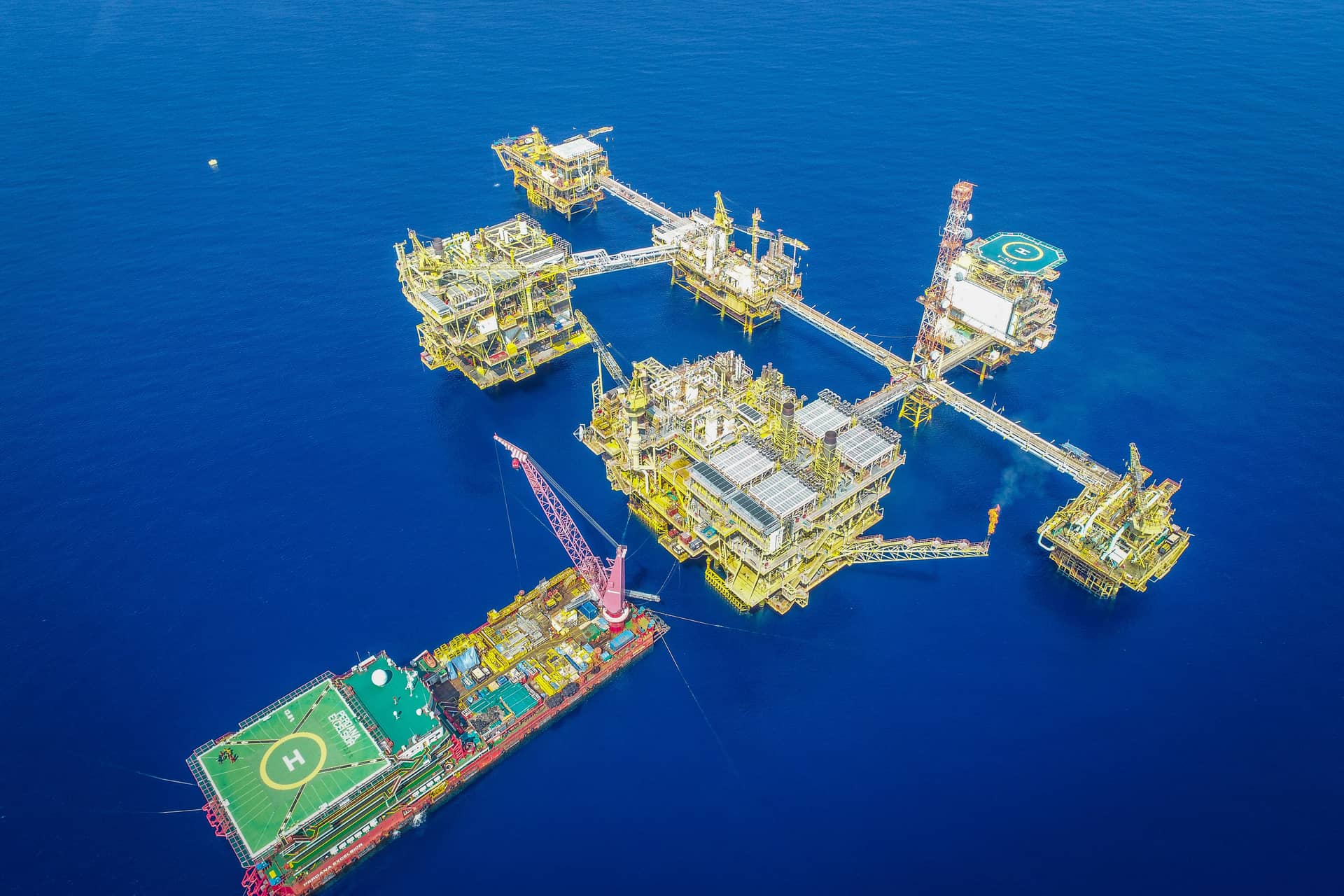
Offshore HSE & field practice
Offshore Starlink Installation in Nigeria: HSE-Aware, Field-Ready, and Fully Documented
DataGram's offshore team operates under Permit to Work (PTW) frameworks and documented field safety standards across all Niger Delta and Gulf of Guinea deployments.
Safety practice before the first hole is drilled
Offshore Starlink work fails when installers treat a vessel like a bungalow roof. Deck access, crane sweep, hot work rules, and your platform safety officer decide the schedule — not a WhatsApp photo of a clear sky. DataGram mobilises only after a pre-installation survey and PTW coordination with your operator.
Our confirmed field practices are the same standards published on the offshore maritime page: documented site survey, PTW liaison, two-man working at height and on decks, and a written post-installation speed report before the crew leaves site. Formal third-party maritime safety certifications (including BOSIET and NIMASA-issued credentials) are required for all offshore team members and are in progress — we do not list cert numbers we do not currently hold.
For full marine hardware scope, mounts, and plan classes, use the dedicated offshore maritime installation page. This page focuses on how we work safely and what documentation you receive.
Indicative latency
20–33 ms
Download range
50–1,000 Mbps
Upload range
10–100 Mbps
Install window
1–3 days
Safety standards and field practice
PTW compliance on all offshore sites
We work inside your platform or vessel Permit to Work framework and do not start until your safety officer has approved the job.
Pre-mobilisation site survey
Power, sky view, cable paths, and mounting surface integrity are documented before equipment is brought on board.
Two-man minimum rule
No solo working at elevation or on vessel decks. Installations are carried out in pairs as a standing field rule.
Marine-rated hardware selection
Flat High Performance and corrosion-aware mounts, glands, and fixings matched to spray and vibration — not residential kits on a railing.
Field deployments
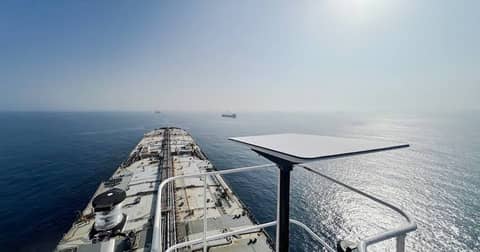
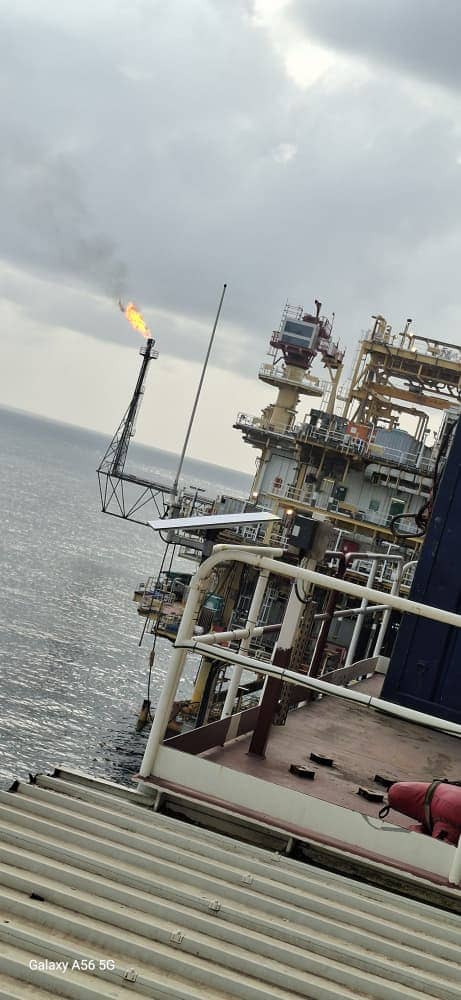
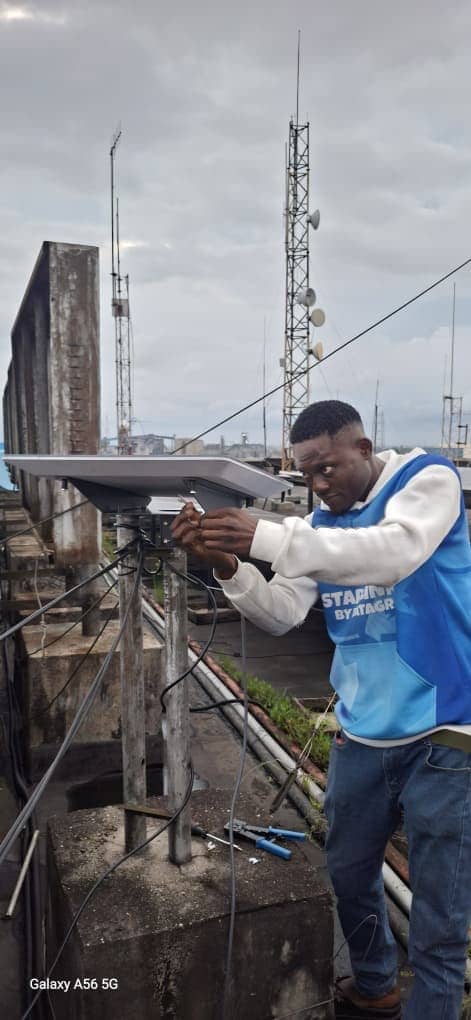
Field deployments across Nigeria — offshore, enterprise, and residential.
Indicative field range, not a guarantee
50–1,000 Mbps
Download
10–100 Mbps
Upload
20–33 ms
Latency
“They waited for our PTW sign-off and left a speed report the OIM could file. No solo deck work, no surprises for the safety officer.”
Additional field controls on every vessel install
- Grounding and lightning protection planned into the cable and power path
- Post-installation test report issued on every job (download, upload, latency)
- Crane sweep and walkway clearance checked before final mount position
- Bridge / ops networks kept separate from crew WiFi when IT provides VLAN requirements
Source of truth for the four core field safety standards: Our Field Safety Standards on the offshore maritime installation page — linked under Related services below.
We summarise practice here; we do not duplicate that section word-for-word.
Our offshore process
Step 1 — Pre-mobilisation remote survey
Step 2 — PTW and safety briefing
Step 3 — Installation
Step 4 — Activation and speed baseline
Step 5 — Handover documentation
Proof of work
DataGram has completed Starlink installations across the Niger Delta and Gulf of Guinea for vessels and industrial platforms. Named client logos and vessel references are added here when release permission is available.
PROOF: add client logos or named deployment references when available — offshore clients, vessel names, oil camp names. DataGram has completed installations across the Niger Delta and Gulf of Guinea.
Offshore engagement
Offshore survey
Quoted by mobilisation
- Remote pre-mobilisation assessment
- PTW coordination notes
- Mount and power recommendations
Vessel / platform install
Quoted after survey
- Two-man install under PTW
- Marine-rated mount and cable route
- On-site speed baseline report
Prices shown are indicative and subject to change based on current USD/NGN exchange rates. Contact us for today's pricing.
Frequently asked questions
Book an Offshore Survey
Message us on WhatsApp with vessel type, berth or yard location, and your safety officer contact — we reply with survey next steps.