
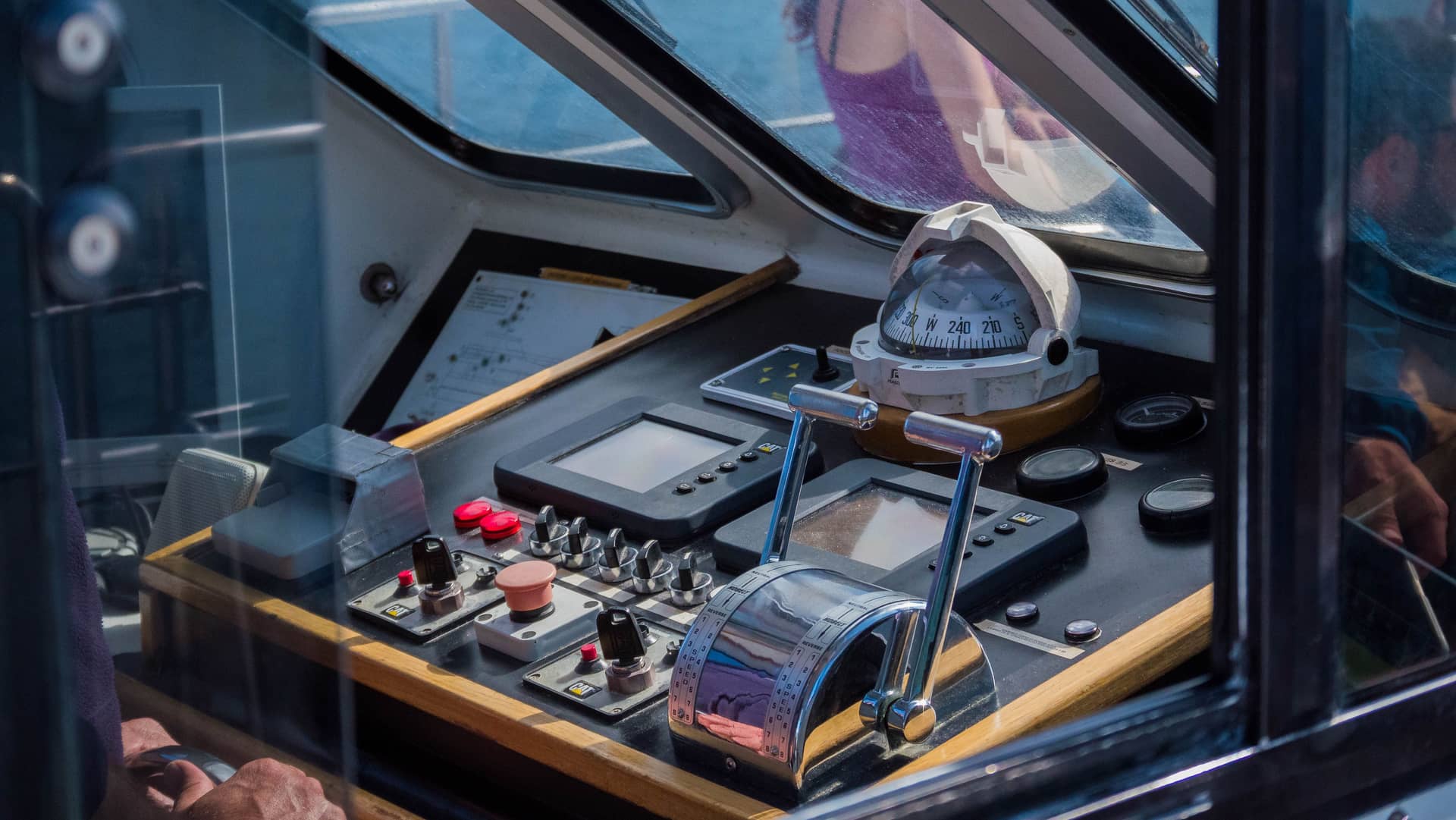
Marine SD-WAN & multi-WAN bonding
Marine SD-WAN Integration: Starlink + 4G/VSAT Failover for Nigerian Vessels and Offshore Sites
No single connection is enough for commercial maritime operations. DataGram configures multi-WAN bonding for zero-downtime connectivity at sea.
What SD-WAN means for vessels — without the jargon fog
A WAN is a wide-area link to the internet — Starlink, 4G LTE, or legacy VSAT. SD-WAN (software-defined WAN) and dual-WAN routers decide which link carries traffic and what happens when one path fails. Bonding or failover is the practical outcome: if Starlink drops in heavy rain or a beam handoff, crew and bridge traffic move to the backup path instead of going dark.
A single Starlink dish is still a single point of failure. Commercial OSVs, FPSOs, and NGO vessels in remote waterways need a written failover order, not hope. DataGram selects and configures dual-WAN routers, sets VLANs for crew WiFi versus bridge operations versus CCTV, and applies QoS so critical traffic keeps priority during a switch.
Hardware install and HSE practice live on our offshore maritime and HSE pages. This page covers the network integration layer on top of a working Starlink path.
Indicative Starlink latency
20–33 ms
Download range
50–1,000 Mbps
Upload range
10–100 Mbps
Design window
Survey + config
Integration options
Starlink + 4G LTE failover
Best for coastal vessels and near-shore ops where LTE coverage is usable. Starlink stays primary; 4G carries traffic when the satellite path degrades.
Starlink + VSAT backup
For deep offshore where cellular is gone. Keep legacy VSAT as the safety net while Starlink handles day-to-day low-latency traffic.
Starlink + Starlink dual-dish
Ultra-high availability for critical platforms: two terminals, separate mounts where sky view allows, policy routing across both paths.
VLAN and QoS discipline
Crew welfare, bridge ops, and CCTV should not share one flat network. We separate traffic classes so a Netflix spike does not starve ops tablets.
Deployment context
Field deployments across Nigeria — offshore, enterprise, and residential.
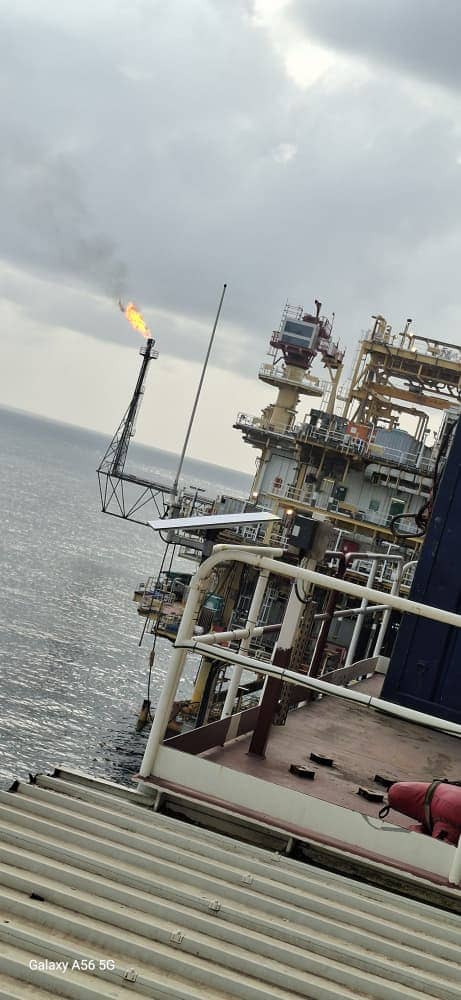
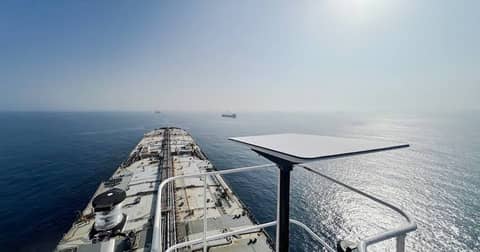
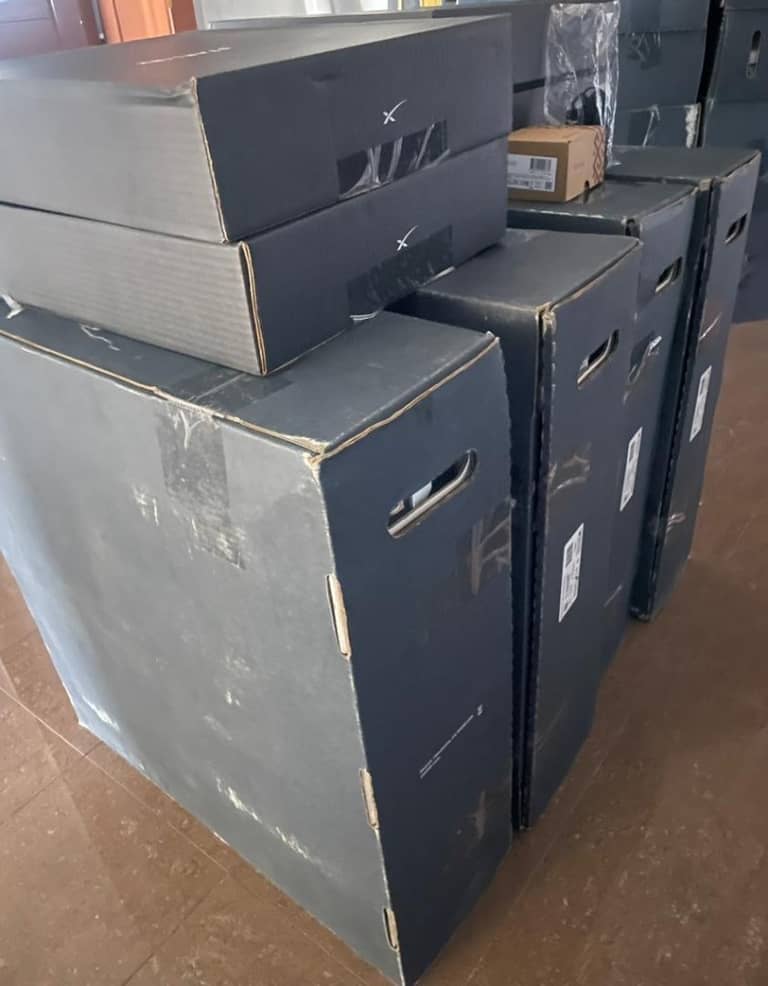
Indicative field range, not a guarantee
50–1,000 Mbps
Download
10–100 Mbps
Upload
20–33 ms
Latency
“Starlink became primary; VSAT stayed as the documented backup. Failover was tested on the dock before we sailed — that was the requirement from IT.”
Technical scope of our service
Dual-WAN router selection and setup
VLAN configuration
QoS for critical traffic
Monitoring and alerting
Who this is for
Expect a brief reconnect on some sessions when paths switch — banking portals and sticky VPNs may need a refresh. We test failover during handover so your crew sees the behaviour before the first storm.
OSV operators
Supply vessels that need crew welfare online without risking bridge connectivity when rain fade hits.
Offshore maritime installationFPSOs and drilling rigs
Static or semi-static platforms that want Starlink primary with VSAT or dual-dish resilience for campaigns.
Offshore HSE & survey processNGO vessels in remote waterways
Creek and coastal humanitarian craft that cannot rely on marina WiFi or a single SIM.
Boat installationNetwork integration engagements
Integration survey
Quoted after scope call
- Existing WAN inventory (Starlink / 4G / VSAT)
- Router platform recommendation
- VLAN and failover sketch
Dual-WAN configuration
Quoted after survey
- Router install and policy routing
- QoS and VLAN handoff
- Documented failover test
Full marine turnkey
Custom
- Dish install + multi-WAN config
- HSE-aware mobilisation
- Handover pack for ops and IT
Prices shown are indicative and subject to change based on current USD/NGN exchange rates. Contact us for today's pricing.
Frequently asked questions
Request a Network Integration Proposal
Send vessel type, current links (Starlink / 4G / VSAT), and whether you need bonding or simple failover — we reply with a scoped proposal.