Oil & Gas
Zero-Downtime Internet for Escravos and Forcados Oil Camps
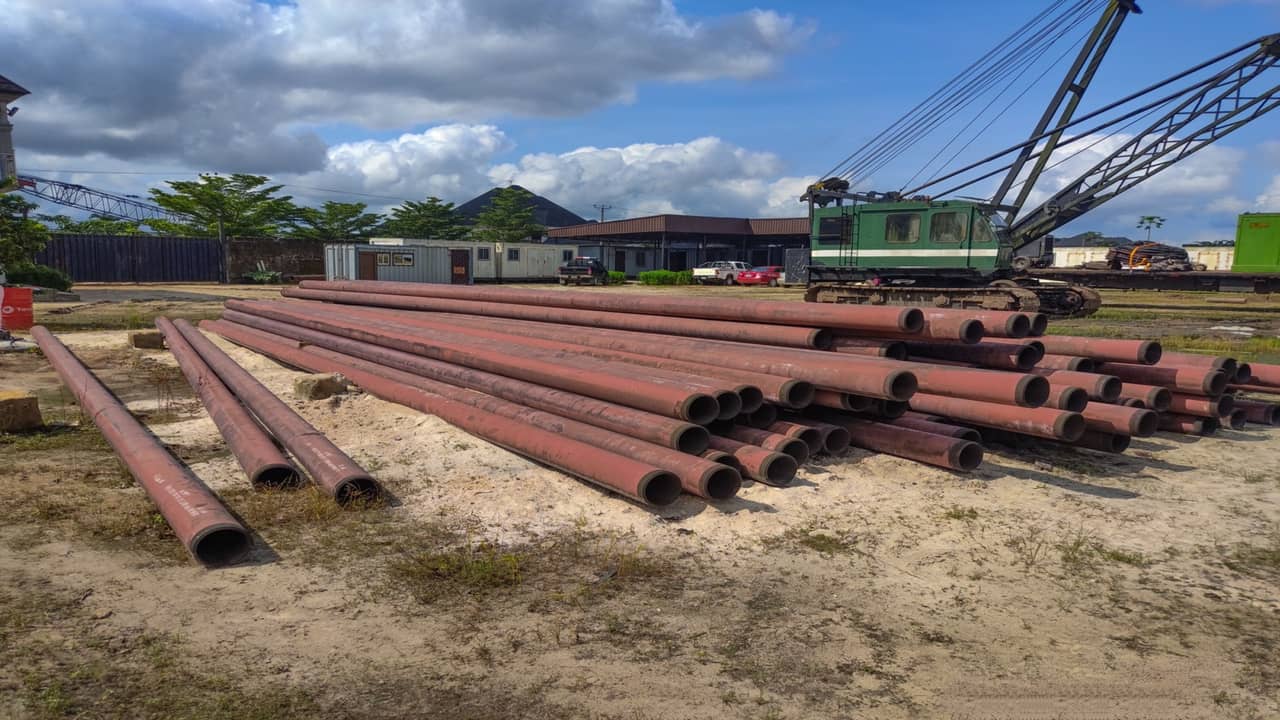
Zero-downtime internet for Escravos and Forcados oil camps is a procurement problem dressed as a tech problem. These Delta State terminals and their satellite camps sit far from reliable terrestrial fibre. Historically that meant VSAT, Thuraya handsets, or whatever microwave path a contractor left behind. Starlink changes the latency picture — if you mobilise, mount, and power it like an industrial site, not like a Lekki rooftop.
This piece is for connectivity and facilities leads supporting Chevron Nigeria operations around the Escravos oil terminal and Shell/TEPNG activity around the Forcados export terminal. We also name Warri as the usual logistics hub, with Sapele and Ughelli as intermediate access points along the broader Escravos–Warri corridor context.
Why these locations are hard
Access is often by boat or helicopter. Weather windows matter. Power is generator-centric with changeovers that reboot unprotected routers in two seconds. Canopy and industrial structures steal sky view if you plant the dish on the first convenient railing. HSE culture expects PTW paperwork before any mast work.
DataGram's Niger Delta coverage and offshore HSE practice exist for exactly this class of site: remote survey first, then mobilisation with a materials list that fits one trip.
Why Starlink fits the Delta better than legacy GEO alone
LEO paths deliver roughly 20–40 ms latency class performance under normal conditions — usable for VOIP and VPN in a way 600 ms+ VSAT never was. Coverage across the Niger Delta and coastal approaches is the point of the constellation. Rain fade still happens; honest baselines beat brochure peaks.
Deployment logistics
Advance remote survey: sky view photos, power source, canopy notes, access mode. Equipment list locked before the boat leaves Warri. PTW documentation coordinated with the camp safety officer. Two-man rule on masts and roofs. Post-install connectivity report with recorded download, upload, and latency for the camp HSE/IT file.
We do not invent cert numbers. We work inside your PTW and leave evidence of what was tested.
Hardware for permanent camps
Flat High Performance is the usual permanent-camp choice for durability and performance envelope. Elevated mast mounting clears fringe canopy. Surge protection and grounding matter in Delta lightning seasons. Cable routes avoid hot exhaust and standing water. Details mirror offshore maritime discipline even when the "vessel" is a fixed camp deck.
Power and the generator changeover problem
Most camps have generator power. Size the Starlink circuit honestly. Put UPS on router (and dish where required) so the 2–3 second transfer does not reboot the network stack. Without UPS, "Starlink keeps dropping" tickets are often just changeover physics.
Zero-downtime: Starlink primary + 4G failover
Dual-WAN routers (Peplink-class examples are common) can fail traffic to LTE when the satellite path degrades. Be realistic: MTN/Airtel coverage at Escravos or Forcados may be thin or sector-loaded. Failover buys continuity for critical apps, not identical throughput. Design QoS so ops traffic wins on the skinny path — see marine SD-WAN patterns applied to camp networks.
What "zero-downtime" should mean in the SOW
Define it: automatic failover under X seconds, UPS runtime of Y minutes, documented monthly test, and a named escalation contact. Marketing "unlimited uptime" without those numbers is fiction. DataGram's handover pack is how you prove the install met the SOW on day one.
If your camp sits on the Warri logistics chain via Sapele or Ughelli staging, say so early — travel and boat time dominate calendar more than torque time on the mast.
Security and estate rules inside operator camps still apply: escort requirements, no-photography zones, approved drilling windows. Bring ID packs and tool lists that match the PTW. A perfect RF plan dies if security turns the crew around at the jetty.
For multi-camp programmes along the corridor, standardise mast kits and router images so the second and third sites install faster. That is fleet thinking applied to Delta geography — same discipline as fleet management on land.
After storms, re-check obstruction and torque. New temporary structures and scaffold appear quickly around turnarounds. A dish that scored clean in January can be half-blind by a March canopy or a new tank farm walkway.
Keep Thuraya or VSAT only if your emergency communications plan still requires them — but stop paying GEO rates for daily ERP sync if Starlink has already taken that load with measured baselines on file.
Camp WiFi design still matters after the dish is online. Concrete blocks, metal roofs, and long walking distances between accommodation and the offices kill signal. Budget access points or mesh on the LAN side so users do not declare Starlink "down" when they are simply standing behind a tank wall.
Procurement tip: require the installer to leave a laminated power and reboot card next to the router. Generator operators change shifts; tribal knowledge does not. The card should show UPS location, breaker ID, and the WhatsApp escalation number.
For Escravos-linked and Forcados-linked camps specifically, ask during survey whether the mount site is inside a classified zone with photography bans — that affects how we capture handover evidence while still satisfying your documentation needs.
Seasonal flooding and soft ground around some Delta pads change mast footing requirements. Non-penetrating bases that work on a dry concrete pad in February may need redesign after May rains. Say so in the survey notes before steel is cut.
Close the loop with a 30-day post-install call: confirm UPS still holds through changeover, dual-WAN still fails over, and the camp has not "improved" the mount with unapproved welds. That call catches most quiet regressions.
When the camp shares connectivity with contractor tents, VLAN guest rules again — same logic as vessel crew WiFi. Unmanaged guest SSIDs will burn priority data and create security noise.