
Evergreen
Starlink Maritime Internet Setup for Ships and Boats in Nigeria
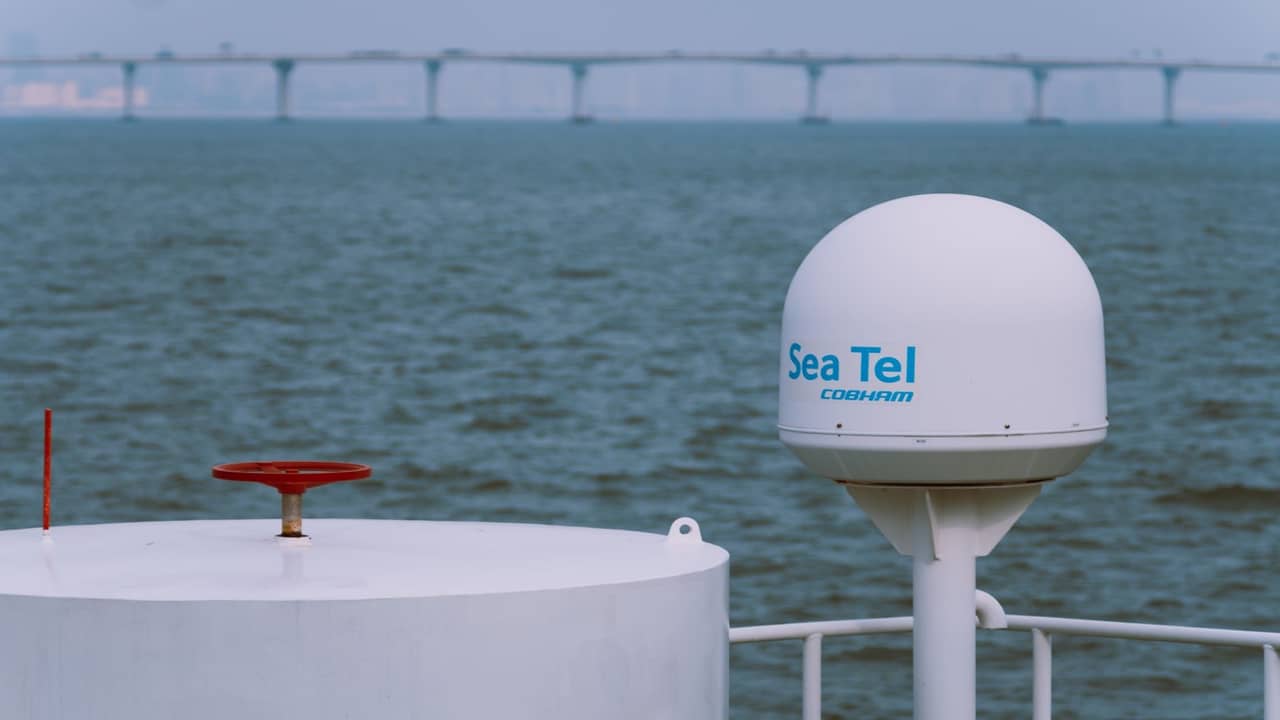
Starlink maritime internet setup is not a residential dish zip-tied to a railing. Vessels roll, salt spray corrodes cheap glands, and plan classes distinguish fixed land service from mobility and maritime tiers that track satellites while you're underway. Nigerian operators from Lagos pilot boats to Niger Delta OSVs need the right hardware, mount, and power design before procurement signs a PO.
This guide covers what a complete ship and boat setup involves: eligibility checks, marine terminals versus standard kits, deck mounting, cable routing, power on diesel-heavy vessels, and realistic speed expectations in Gulf of Guinea weather. If you're only evaluating berth-side connectivity at Port Harcourt, some sections still apply — but motion profile drives everything.
Maritime Starlink plan classes and eligibility
Confirm service eligibility on Starlink's coverage and mobility documentation before buying. Land residential plans are for fixed addresses. Mobility and maritime classes exist because antennas must hand off between LEO satellites while the platform moves. Using the wrong class can mean poor performance or account issues — verify during procurement, not after the dish is on the bridge wing.
Flat High Performance and dedicated maritime terminals use phased arrays that track multiple satellites. Standard fixed dishes lock to one pass pattern suited for bungalows, not roll and pitch on an OSV.
Hardware: Flat High Performance vs standard for vessels
For many coastal vessels and large yachts, Flat High Performance hardware on a marine mount covers alongside and moderate motion. Full maritime terminals target continuous underway use on commercial vessels. The choice depends on what percentage of time you're at berth versus at heading, crane sweep clearance, and budget. We compare hardware in depth in our Flat HP vs standard maritime guide.
Deck mounting and obstruction at berth and at sea
Survey twice: obstruction at the pier and obstruction at typical heading. Cranes, helidecks, stack exhaust, and container geometry block sky view. Mounts must clear crew walkways and safety rails per vessel PTW rules. Stainless hardware, proper drip loops, and IP-rated glands are mandatory — Gulf of Guinea humidity destroys underspecified installs within months.
Creek boats and smaller craft may use shorter masts on T-tops or stern arches. Balance weight and windage — harmattan gusts catch oversized brackets. For boat-specific installs, cable lengths and router placement below deck need ventilation and corrosion planning.
Cable routing on metal decks
Route cables in tray with shield bonding, away from HF radio coax and engine ignition noise. Drill points require class approval and fire-stop compound where regulations demand. Never pinch the integrated dish cable in a hatch — replacement is expensive and downtime hurts charter revenue.
Power architecture on Nigerian vessels
House batteries, inverter harmonics, and generator transfer reboot routers mid-watch if you skip conditioning. Document who powers the dish down during maintenance. Size UPS segments for networking gear with inrush in mind — everything restarting at once trips breakers.
Diesel-heavy OSVs may run 24 V or 220 V distribution depending on zone. Use approved DC-DC or AC supplies per Starlink specs; hack wiring voids warranties and insurance arguments.
Network design below deck
Separate crew welfare Wi-Fi from bridge systems and CCTV backhaul with VLANs. Guest portals on charter yachts differ from OSV ops tablet networks. Handover diagrams help when third-party vendors rotate each contract.
Upload shaping matters for CCTV and file sync from platforms. If upstream is continuous, size plans honestly and test to the cloud endpoints you actually use — not speedtest.net alone.
Realistic speeds and rain fade offshore
LEO latency stays attractive versus geostationary satellite for voice and Teams — commonly 20–40 ms when the link is healthy. Throughput still fades in heavy rain. Honest operators baseline after install: download often 50 Mbps–1,000 Mbps, upload 10 Mbps–100 Mbps depending on plan and sky view, then compare against weather logs.
Keep VSAT during transition if contracts require. Policy routing sends crew welfare one path and legacy apps another until you validate Starlink throughput for critical ops.
Logistics from Nigerian ports
Batch surveys with yard periods in Port Harcourt and Lagos anchorages to reduce repeat mobilizations. Weather windows matter — aligning sea trials beats sending crews twice.
For offshore rig and platform work, PTW paperwork should list drill points, gland locations, torque checks, and RF safety zones near helicopter paths where applicable.
Regulatory and safety notes
Nigeria's telecom environment evolves — enterprise maritime users should keep NCC awareness for corporate compliance programs. RF exposure limits matter on crowded decks; mount height and signage may be required by vessel SMS manuals.