
Evergreen
Flat High Performance vs Standard Dish for Maritime Starlink Use
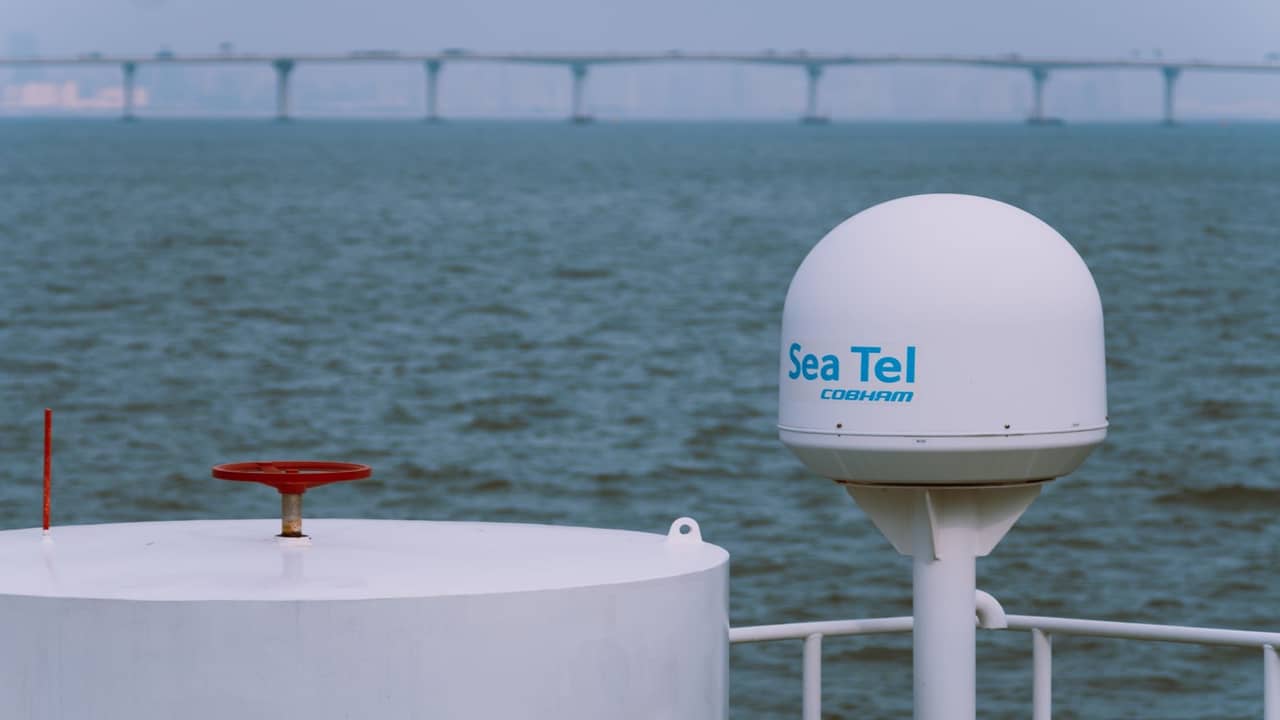
Use a Standard dish when the terminal stays on shore or at a calm berth and the plan is a fixed land plan. Use Flat High Performance when the vessel moves, the sky is partly blocked by gear, or the deck needs a lower, tougher terminal. A residential dish on a railing is the wrong hardware once the boat is underway. This page does not quote a speed in the hundreds of megabits or a gigabit as a vessel guarantee.
Power and corrosion decide whether that choice survives the Gulf of Guinea. Flat High Performance draws more than Standard. Salt on mild steel is a separate failure, covered in salt spray and marine antennas. The install scope is offshore maritime installation.
This comparison is written for vessel owners, fleet managers, and marine IT leads evaluating hardware before procurement. We install both classes through our maritime and boat services — here's how they differ in the field.
How maritime tracking differs from land fixed installs
Standard fixed dishes assume a stationary roof with a wide sky window. Flat High Performance uses a phased array that tracks more satellites simultaneously and tolerates more motion before dropouts. Dedicated maritime terminals extend that further for commercial underway profiles. The Starlink specifications page lists environmental and power ratings — verify before deck mounting.
Side-by-side comparison for vessel operators
Motion tolerance
Standard: acceptable at calm berth; performance degrades with roll/pitch underway. Flat HP: better tracking on coastal transits and moderate sea state. Full maritime tier: intended for continuous commercial motion — confirm plan and hardware pairing with Starlink checkout.
Power draw
Standard draws less steady wattage — attractive on small boats with limited house battery. Flat HP draws more; budget inverter or genset headroom on Nigerian vessels that already struggle with fridge and AC loads on transfer. Size power before mast height.
Obstruction and mount footprint
Flat HP sits lower profile on many brackets — useful under crane booms on OSVs if sky view permits. Standard on a tall mast may clear deck clutter but adds windage in harmattan gusts. Survey at berth and at heading.
Throughput and upload
Both classes vary with rain fade and beam load. Flat HP generally sustains better concurrent sessions for crew welfare and ops tablets. CCTV-heavy platforms should baseline upload after install — neither dish removes physics during Gulf of Guinea squalls.
Hardware cost
Flat HP hardware costs more upfront than standard residential kits. Factor total cost: mount, marine glands, UPS, VLAN router, and install labour. Cheap dish on wrong plan class is wasted capex.
When standard dish is enough
Small skiffs and creek craft that only need connectivity tied up at a fixed jetty may use land-appropriate hardware if plan class matches fixed use and motion is minimal. Shore offices on fixed platforms in Bayelsa may use tall mast land installs instead of marine tier — category matters.
When Flat High Performance is worth it
Coastal ferries, pilot boats, yachts on passage Lagos to Calabar, and OSVs with meaningful underway hours benefit from Flat HP or higher maritime class. Crew calling home on WhatsApp while rolling in swell is the use case that exposes standard dish limits.
Installation implications on Nigerian vessels
Marine mounts, bonding, and cable glands cost similar regardless of dish — don't skip them to fund a bigger dish. Professional maritime install documents torque, drip loops, and RF zones for PTW.
Pair with VLAN separation between crew Wi-Fi and bridge systems. Upload-heavy ops should test during rain — Port Harcourt operators know afternoon squalls are the real acceptance test.