Future Trend
Starlink Aviation in Nigeria: The Future of In-Flight Wi-Fi
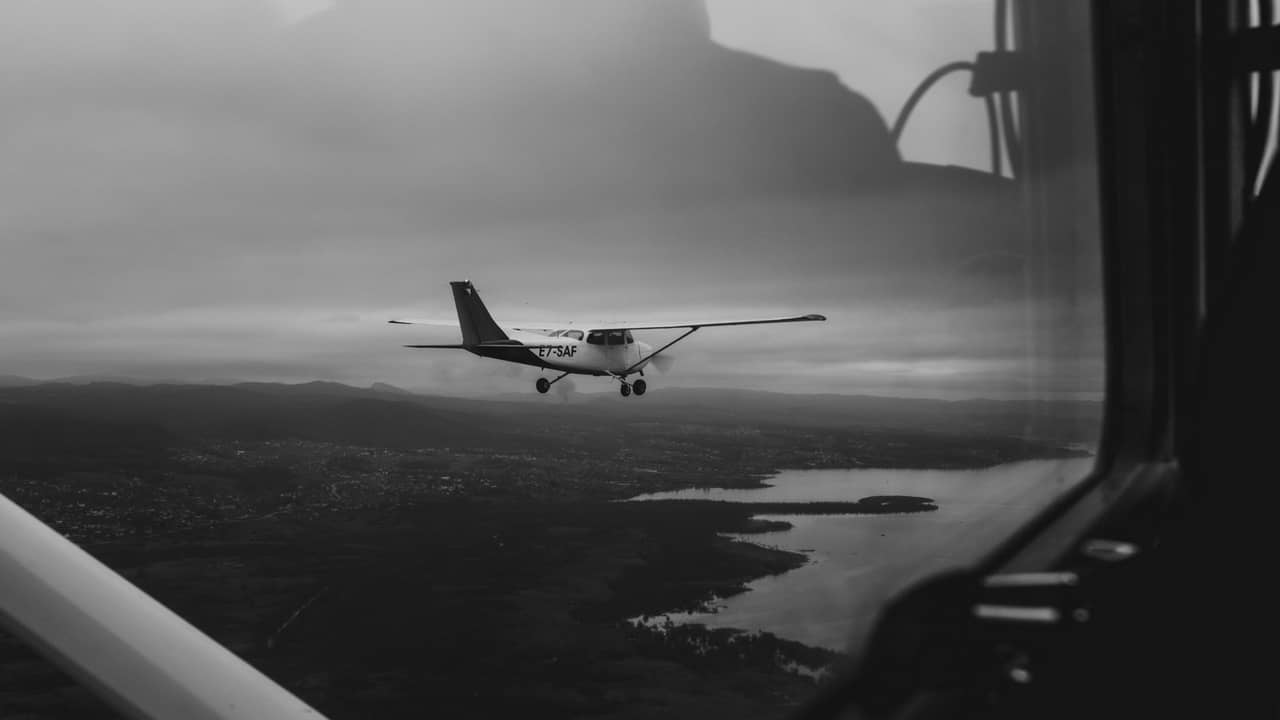
Do not put a home Starlink dish on a plane. Use a certified aviation kit, and only after the regulator signs the fit. In Nigeria, private jets and charters are the likely first users, and no airline has a confirmed nationwide rollout here.
A certified fit is the paper that says this kit may be bolted to that aircraft. A roof kit has no such paper. The near routes are Lagos, Abuja, and Port Harcourt, not every seat-back screen.
What kit does a plane actually need?
It needs an aviation panel built into the body of the aircraft, not a dish taped in a window. The plan is a moving-aircraft plan, not a house plan. Read Starlink's own aviation page before you write it into a tender.
Who has to approve it in Nigeria?
The NCAA covers the aircraft change. The NCC covers the radio rules. A licensed workshop has to do the fit. Buying a kit the way you buy one for an estate will not get it on a plane.
What will passengers actually get?
A video call on a short hop can work when the route has cover. Storms in the tropics can still cut it. Latency, the delay before a reply, is shorter than old high-orbit links when the signal is up. Treat poster speeds as a ceiling, not a promise.
How is this different from a ship?
A ship kit also moves, and the maritime guide covers that. A plane adds height and speed, and a workshop certificate. A helicopter on a Gulf job may share a maintenance firm with the boats. It still needs its own approval.
Who is likely to have it first?
Charter planes and oil-and-gas flights come first. A domestic airline might try it on a few aircraft if the maker gets the African approvals. This page does not name a year when every Nigerian flight has it. Lagos private-jet bases will advertise it before a full airline does.