
Future Trend
Starlink V4 Hardware Upgrades: Expected Features and Speeds
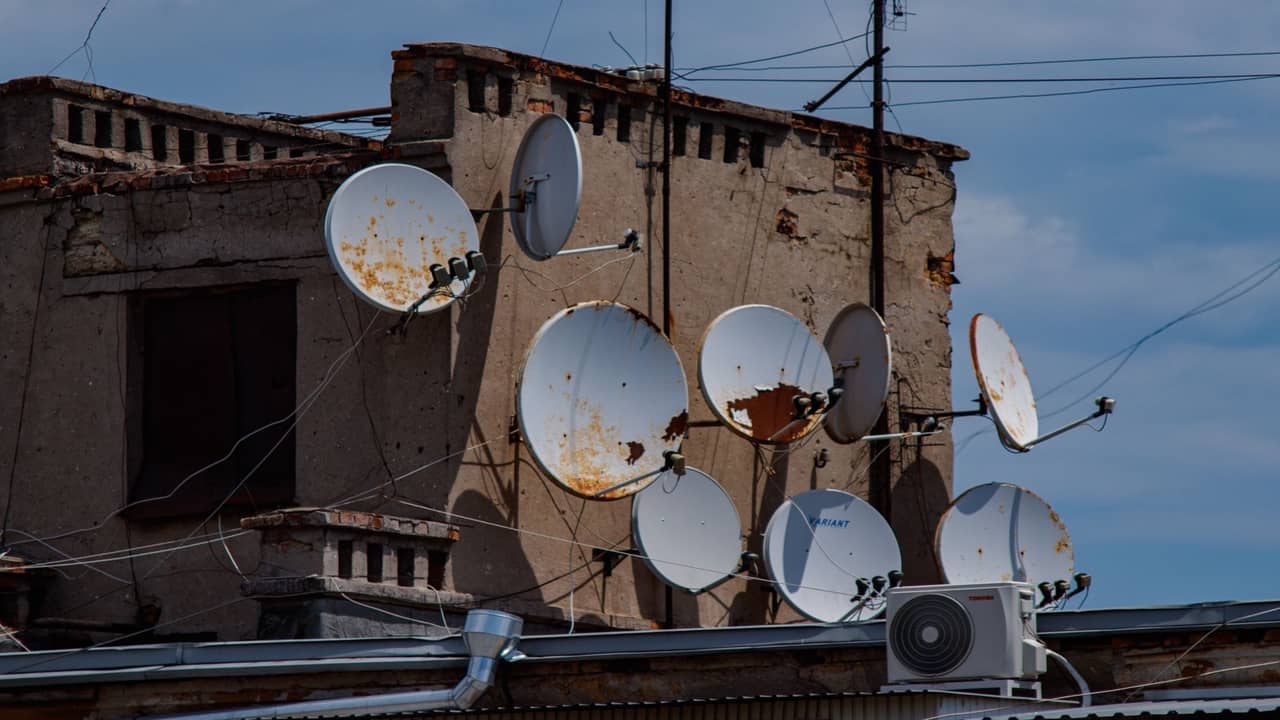
Starlink V4 hardware upgrades circulate in forums long before official store listings. Nigerian buyers ask whether to delay checkout for the next dish, whether Gen 3 mounts adapt, and if speeds will double overnight. Separate confirmed product evolution from speculation: SpaceX iterates terminals for lower cost, better thermal performance, and manufacturing scale — peak Mbps marketing rarely matches rainy-season compound reality anyway.
We retrofit mounts and cable paths on home and enterprise sites — here's a sober feature list and upgrade decision framework.
Confirmed direction of travel (not V4-specific rumours)
Integrated electronics moving toward fewer field-failure points. Router functions sometimes separated or simplified for third-party bypass adoption. Power draw optimization on portable classes (Mini lineage). Official announcements arrive via Starlink shop and release notes — not leaked CAD renders alone.
Commonly rumoured — treat as speculative until checkout lists it
Higher peak download beyond current plan caps. Built-in multi-user mesh radios replacing external routers. Solar-ready DC inputs on Standard form factor. Automatic multi-dish bonding for estates. These may ship partially, never, or under different branding — do not size estate conduit on rumours.
Speed expectations in Nigeria regardless of generation
LEO throughput still shares beam capacity and fades in rain. Healthy field ranges today already span roughly 50–1,000 Mbps down and 10–100 Mbps up with 20–40 ms latency when Wi-Fi and obstruction cooperate. A new dish generation won't fix a parapet mount with 15% obstruction — survey beats hardware generation.
When upgrading makes sense
Upgrade if your current terminal fails, plan class requires new hardware, or you move from fixed to mobility/maritime tiers. Upgrade if thermal shutdowns plague low-latitude roof mounts in April heat — newer thermal designs help marginally. Skip upgrade if obstruction and indoor Wi-Fi are the bottlenecks — see Wi-Fi extension guide.
Mount and cable compatibility
Pipe mounts and standard mast diameters often survive generations; integrated cable lengths and connector locations change — budget cable reruns if glands cannot be reused. Estates hate visible rework — plan swap windows with facility teams.
E-waste and trade-in
Older dishes retain secondary-market value for spare parts or rural redeployment — see our recycling guide. Do not dump lithium routers in general waste; label boxes for buyer disclosure.