
Future Trend
Solar-Integrated Starlink Dishes: Is This the Future for Nigeria?
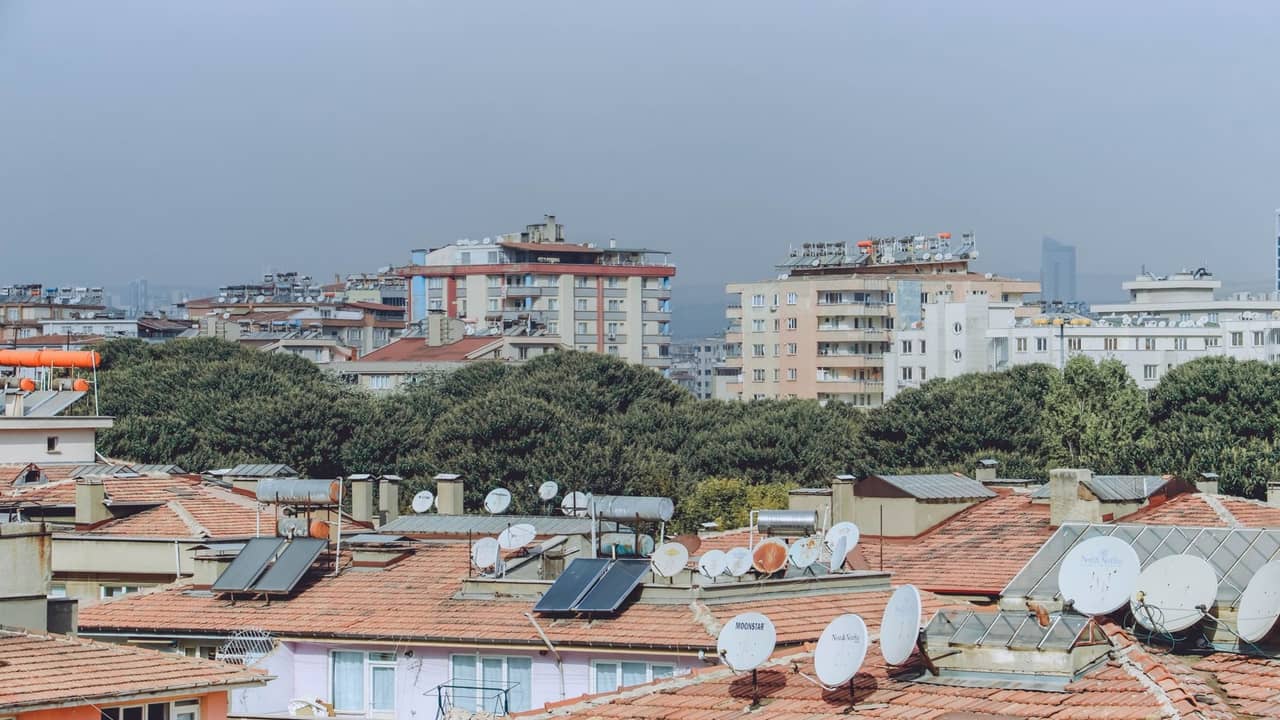
Solar-integrated Starlink dishes tempt every compound owner tired of generator noise — one sleek unit, sun-powered Netflix. Today, most installs pair separate solar/battery systems with AC-powered terminals via inverter — workable if sized honestly. OEM integrated solar-dish products remain mostly roadmap and third-party experiments, not Starlink checkout SKUs in Nigeria.
Easy future look: what works now with power backup design, what Mini already saves on watts, and why harmattan dust on panels matters as much as dish obstruction.
Today's best practice — segregated solar plus Starlink
Size LiFePO4 banks for overnight router plus dish runtime after sun hours. Pure sine inverter segment for networking gear. MPPT controllers rated for panel strings on your roof geometry — not one random 200 W panel on a stick.
Mini and low-power future
Mini's lower draw is the near-term 'integration' win — pair with modest solar before dreaming of dish-embedded cells. Standard and HP need bigger banks — budget fuel savings against battery capex.
Integrated dish-solar rumors
Patents and prototypes show solar-aware rural terminals globally — Nigerian launch depends on cost, heat management at 6°N sun, and service terms. Treat Kickstarter mounts as hobby unless brokered through professional install survey.
Maintenance in Nigerian climate
Panel cleaning each harmattan. Battery theft security in rural sites. Lightning bonding on combined mast structures — earth both dish mount and panel frame properly.
2028 snapshot
Off-grid clinics and farms run Mini plus dedicated solar routinely. Premium estates experiment with building-integrated PV that also feeds networking closets — dish still separate but DC-fed from same bank.