
Future Trend
Smart Farming in Nigeria Powered by Next-Gen LEO Networks
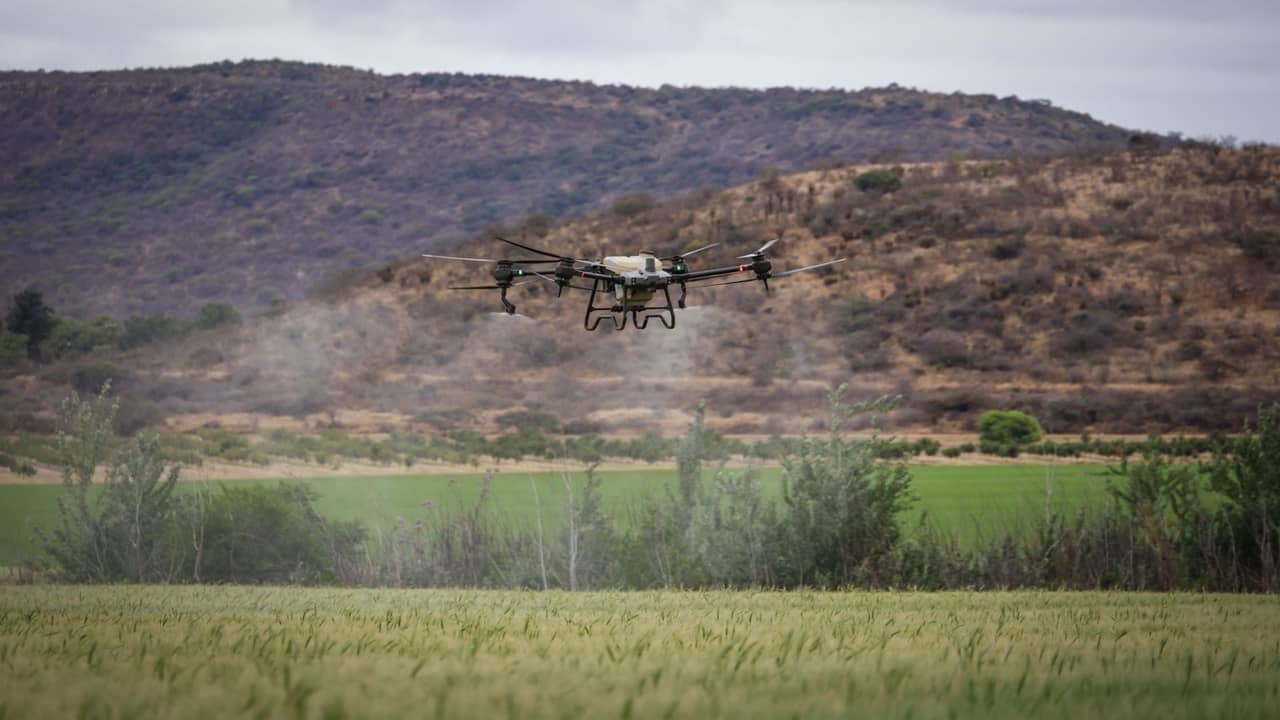
Smart farming in Nigeria powered by next-gen LEO networks stops being a conference slide when a poultry farm in Ogun uploads mortality logs without driving to town for signal, or a Kaduna cooperative downloads drone mosaic maps the same afternoon. Fibre won't reach most plot boundaries this decade; towers skip low-ARPU farmland. Fixed Starlink at the farm office or barn becomes IP backhaul for IoT gateways — not every sensor on Wi-Fi directly to the dish.
Easy use-case tour: what LEO enables by 2028, what still needs agronomists not Mbps, and power realities on Nigerian farms.
Connected use cases
Environmental sensors: soil moisture, temperature, pond aeration alerts — low data, high value. Livestock: barn cameras and automated feeder alerts — upload-aware plans. Market access: cooperative price apps and mobile banking for outgrowers. Training: extension video in languages local teams choose — async download overnight.
Architecture
Starlink terminal at secure farm building with UPS and solar supplement. LoRa or local Wi-Fi for field sensors back to gateway. Separate VLAN for payment terminals if farm shop exists. Enterprise handover documents IP plans for seasonal staff turnover.
Limits
Starlink doesn't fix bad seed, logistics, or storage. Rain fade pauses live drone uploads — schedule flights accordingly. Theft of outdoor gateways — lock cabinets, bury conduit where feasible.
Programs and finance
CBN-style ag interventions and NGO grants increasingly line-item connectivity — budget opex for subscription and fuel, not only capex for kits. Batch installs across cooperative clusters reduce per-farm survey cost — similar to community gateway economics.
2028 norm
Mid-size commercial farms treat satellite backhaul like borehole — standard infra question on diligence checklists. Smallholders access services via cooperative hubs more than per-plot dishes.