
Evergreen
How to Run Starlink Cable Through Walls Safely Without Damage
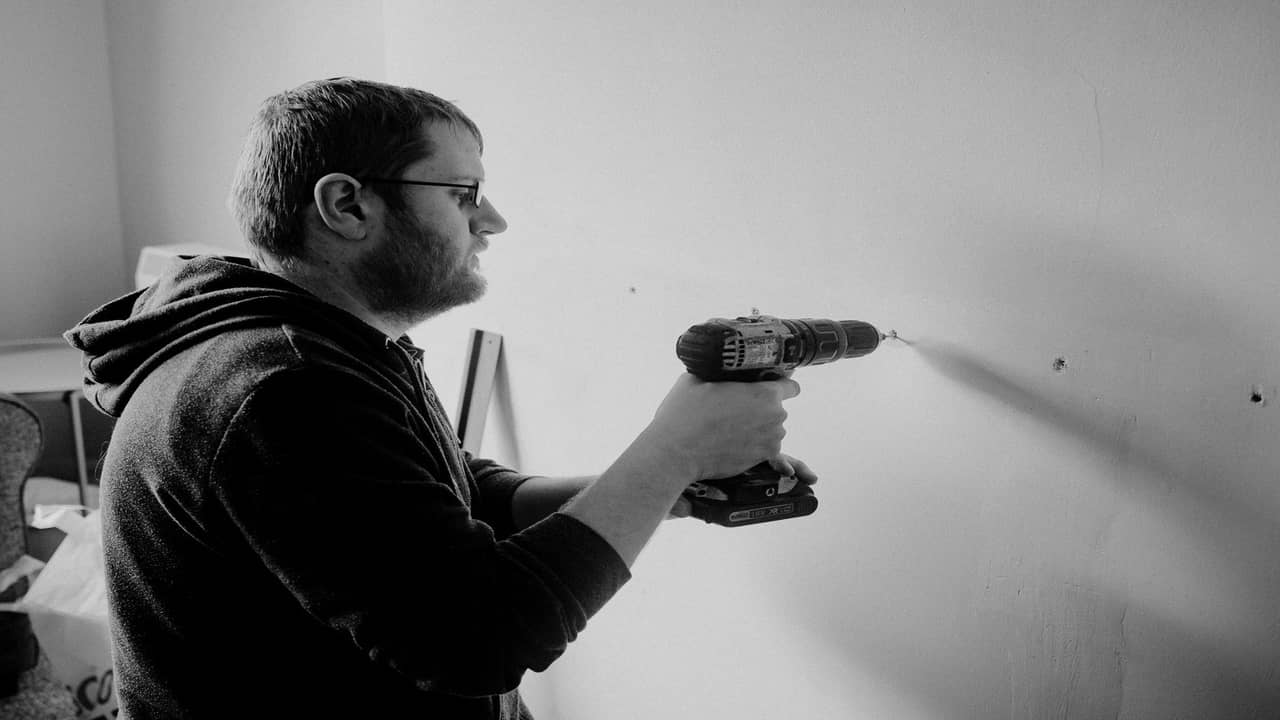
Running Starlink cable through walls safely matters because the integrated cable on Gen 3 and Gen 4 dishes is expensive to replace — you don't crimp a new RJ45 and move on. Nigerian block walls, POP ceilings, and estate rules about facade drilling make routing a planning job, not a hammer-and-nail afternoon. One sharp 90-degree bend behind a wardrobe or a wall hole drilled level instead of slightly downward invites water ingress and intermittent faults six months later.
This is the practical guide for homeowners and facility teams who need the dish outside and the router inside without estate fines or a dead cable. If your roof path is complex, professional installation still costs less than a second kit.
Plan the path before drilling
Walk the route: dish mount location → shortest exterior run → single wall entry → router desk. Avoid crossing hot roofs unnecessarily. Mark interior termination away from inverters and generator switchgear. Estates in Lekki often mandate surface conduit colour — plan tray routing before security sees raw cable on cream paint.
Drill technique for block and frame walls
Use a core bit or masonry bit sized for your gland — not oversized holes that caulk can't seal. Drill from inside to outside with a slight downward slope so rain doesn't track along the cable into the room. Nigerian driving rain tests sloppy holes every August. On framed partitions, locate studs and avoid crushing cable in tight staple channels.
Glands and sealant
Use proper IP-rated wall glands with compression on the sheath — not bathroom silicone alone. UV-stable sealant on exterior; interior neat bushings so paint lines stay clean for landlord handback. Harmattan sun degrades cheap sealant within a year.
Bend radius — the rule everyone breaks
Treat integrated cable like fibre: generous curves, no kinks, no door jamb pinches. If a door must cross the path, protect in conduit or reroute. A kink you can't see still raises resistance and causes reboot loops.
Conduit and rodent protection
Surface PVC or metal conduit on exterior walls protects from sun and rats — real failure mode in compound living. Buried short yard runs need warning tape and depth appropriate for gardener spades. Route away from lightning down conductors where possible; bond per earthing rules if your estate requires compliance docs.
Interior finish and landlord relations
POP ceilings tempt installers to pinch cable above tiles. Leave service loop slack in an accessible ceiling hatch or conduit riser — future moves shouldn't require cutting new holes. Photograph the path for estate files; managers in Abuja increasingly ask for as-built sketches.
When to stop DIY
Multi-floor drops, long estate conduit runs, and lightning-prone coastal sites belong on a survey scope. DataGram documents gland torque and restoration for deposit returns.
Multi-floor and split-level homes
Duplexes in Enugu hillside properties often need one exterior entry per floor or a vertical conduit riser in a service duct — dragging cable around exterior stairwells invites pedestrian snag and security questions. Plan interior termination near a central rack if you're adding access points later.
Lightning and bonding at wall entry
Wall penetration is where lightning protection narratives start. Bond cable shield to building earth where estate rules require — especially on coastal and Niger Delta sites. A pretty hole without earth continuity fries indoor switches during nearby strikes. Professional installs include earth notes photos for facility files.
Testing after routing
Before sealing glands permanently, power the dish and run obstruction and speed tests. Discovering a pinch after sealant cures means cutting and re-gland — landlords love that. Leave service loop slack coiled in a labelled box, not stuffed into a hot ceiling void above the kitchen.
Common mistakes we rework
Cable tied to razor wire — sheath abrades in harmattan wind. Hole drilled level so rain tracks indoors. Door closed on cable with no guard. Grey conduit on estate-mandated white facade — security makes you redo it. Budget time for compliance, not only drilling.
Tools and materials checklist
Core drill or masonry bit matched to gland size, IP-rated wall gland kit, UV-stable exterior sealant, interior face plate, UV-rated conduit and clips, fish tape for long interior runs, vacuum for dust in occupied rooms, and harness plus proper ladder footing. Nigerian compound walls punish rushed work — measure twice, drill once, photograph the path for estate files.
Coordinating with painters and POP crews
Schedule wall entry after structural work but before final paint. Painters who skim over an ungrommeted hole create hidden pinch points. If POP ceiling is already closed, use approved surface trunking in estate colours rather than hacking tiles — facility teams in Lekki notice and bill you for restoration.
Landlord handback and deposit protection
Landlords in Abuja flats increasingly inspect cable entries at lease end. Neat glands, matched paint, and documented restoration beat arguments about 'mystery holes' when your deposit is on the line. Provide the landlord a one-page as-built: entry room, conduit colour, sealant type, and installer contact.
After the cable is inside
Leave labelled service loop slack at both dish and router ends — future router moves shouldn't require remounting the dish. Test app connection and obstruction score before closing walls or painting conduit. Mark the interior entry point so the next TV mount installer doesn't drive a screw through your only Starlink path. Professional routing includes photos guards and facility teams can file.