
Evergreen
How to Protect Your Starlink Cable from Rats and Rodents
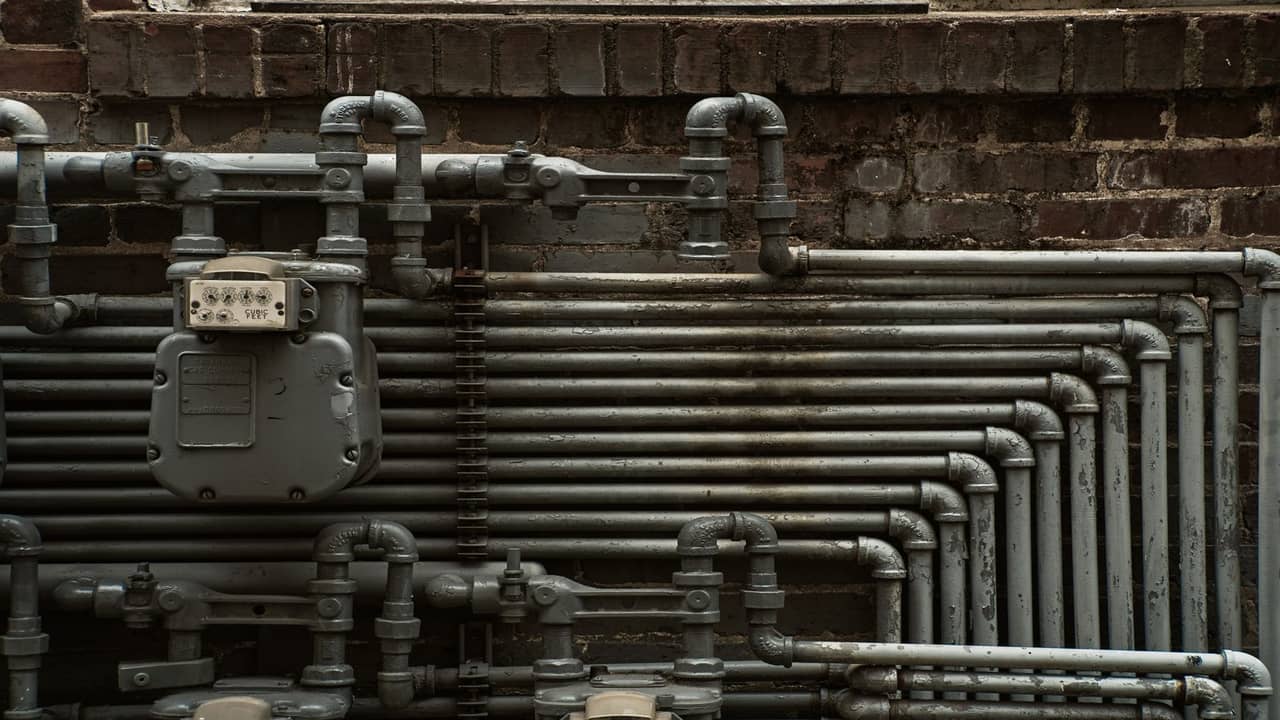
Rats don't care that your Starlink cable cost more than a month's diesel. Gen 3 and Gen 4 dishes use an integrated cable from the mast base to the connector — you can't crimp a RJ45 in the field and call it fixed. One chew in the staff-quarter crawl space and you're offline until a replacement cable ships. Nigerian compounds with open gutters, food waste near walls, and ceiling voids full of ISP corpses need rodent protection on day one, not after the first outage.
We've replaced cables on sites where fibre, DSTV, and security camera lines were chewed in the same season. Starlink is just the newest target.
Why rodents go for Starlink cable
Cable sheathing can contain soy-based compounds rodents find tasty. Runs that rest on compound walls at rat height — 15–30 cm paths along ledges — are easy night routes. Ceiling voids near kitchens and stores attract nesting. Harmattan drives rodents indoors; rainy season floods external burrows and pushes them up exterior walls toward roof entries.
Routing rules that reduce risk
Never let cable drape across walls or hang in open courtyards unprotected. Route in rigid PVC or metal conduit on exterior runs — surface mount on estate-approved colour trays. Keep away from rubbish bins, chicken coops, and grain storage in compound corners.
Enter the building high: gland through wall plate above likely rat runs, not at ground level beside a drain. Indoor runs through ceiling voids should sit on tray, not loose on insulation where rats tunnel.
Buried runs between buildings
Main house to BQ often needs buried conduit with sand bedding — not direct-bury of indoor-rated cable. Water and rodents share the same shallow trenches if you skip depth and conduit integrity.
Armoured and metal solutions
Short stainless flex armour at vulnerable transitions — where cable exits conduit before the router — stops localized chews. Rodent-proof mesh around soffit entries helps. Avoid sharp 90° bends that stress the integrated cable; gentle sweeps in conduit reduce sheath fatigue that exposes copper.
Chemical deterrents — limited value
Peppermint oil and mothballs are temporary. Professional pest control belongs in facility ops, not as your only cable strategy. Poison without sealing entry points leaves dead rats in voids — worse smell, same chewers next month.
Inspection schedule
Quarterly walk the exterior run after harmattan and before rainy season peaks. Look for teeth marks, sagging conduit, cracked glands. Estate maintenance should photograph cable paths for insurance — rodent damage is often excluded if installs look DIY.
What to do after a chew
Power down, don't patch with tape. Order official replacement cable and reassess the entire route — rats return to familiar paths. Professional reinstall includes armoured remediation so you don't pay twice.
Compound hygiene that actually helps
Secure refuse bins away from exterior cable runs. Don't stack firewood against walls where conduit exits. Cut overhanging branches rats use as bridges to roof lines, but confirm with obstruction scan before removing shade that protected sky view.
Estate facility teams should treat integrated Starlink cable like fibre — no stepping, no ladder lean points, no temporary clothesline ties. Security cameras aimed at cable trays catch vandalism and sometimes rodents in the act before a full chew through.
Insurance and warranty reality
Consumer warranties rarely cover rodent damage classified as neglect. Photos of proper conduit at install strengthen any RMA argument if a manufacturing defect is suspected instead. Keep install documentation from professional crews showing armoured sections were specified.
Working with pest control without damaging cable
Pest contractors should know cable routes before laying bait stations along the same ledges. Tell them integrated Starlink cable cannot be spliced like copper phone wire. If poison is used, check voids for carcasses near ceiling trays — decomposition corrodes nearby metal conduit clips.
BQ and outbuilding runs
Staff quarters detached from the main house are the highest-risk segment. Buried conduit between buildings, entry points above door frames, and metal-sleeve transitions at ground level beat a cable draped over the compound wall where children and rodents share the same path. If the BQ roof hosts a second dish for a tenant, separate conduit — don't cable-share zip ties with DSTV lines rats already know.
Factories with grain storage nearby should treat exterior runs like industrial cable tray work: metal cover, sealed joints, inspection hatches. Residential compounds with poultry pens need distance — feathers and feed attract rodents that then explore walls for warmth.
New builds vs retrofits
Greenfield builds should sleeve conduit before walls close — cheapest time to rodent-proof. Retrofits cost more but still beat replacing integrated cable. Coordinate with electricians so AC trunking doesn't crush data conduit in shared ceiling voids.
Landlords adding Starlink for tenants should spec protection in lease exhibits — who pays for cable damage from unapproved pets or storage in service corridors matters when move-out inspections happen.
Cost of ignoring rodent protection
Replacement integrated cable plus installer mobilisation often exceeds what armoured conduit would have cost on day one. Budget ₦15,000–₦40,000 of protection materials on surveys where rats already ate DSTV lines — cheap insurance on a ₦500,000+ link.
Ask your installer to flag high-risk zones on the handover sketch — kitchen soffits, BQ ceiling voids, and compound walls near bins. Future you will know where to inspect first after harmattan nesting season.