
Currently Trending
IPNX Fibre vs. Starlink: Ultimate Comparison for Nigerian Estates
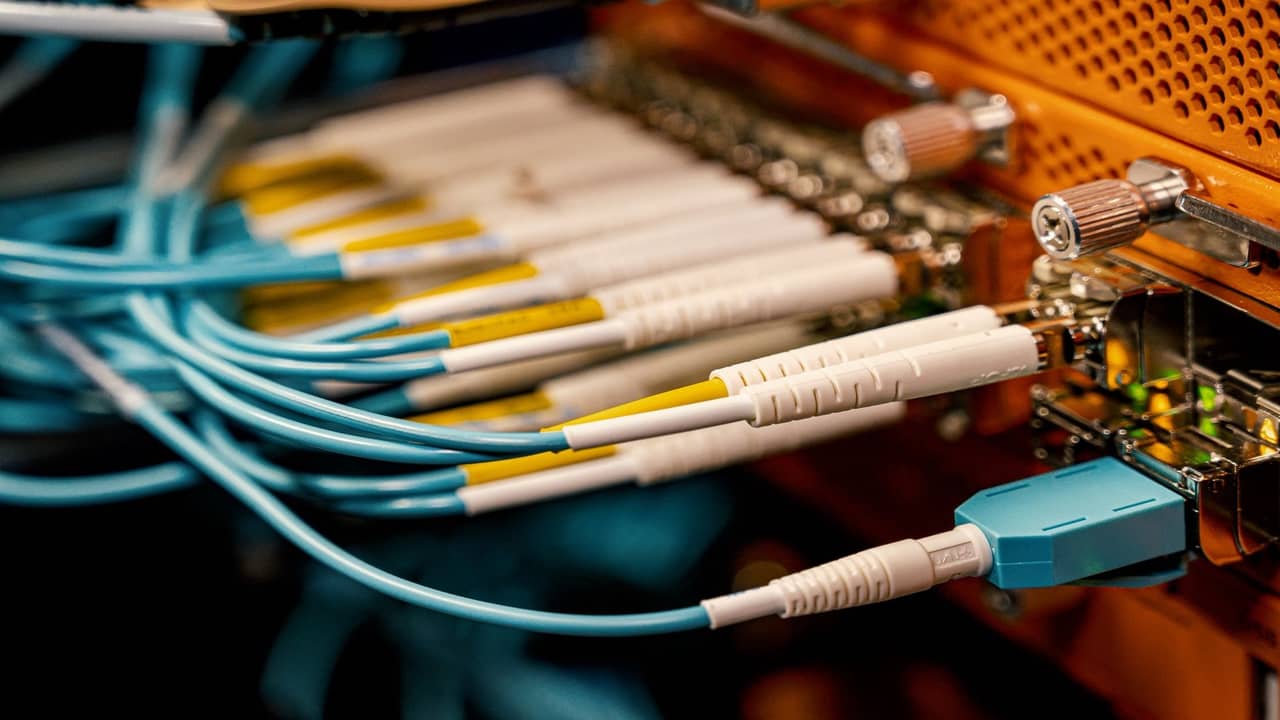
IPNX fibre vs Starlink in Nigerian estates isn't a winner-take-all debate — it's lead time, upload profile, outage independence, and what your facility manager allows on the facade. IPNX and similar fibre operators serve many Lagos and Abuja estates with MDU backhaul. Starlink fills gaps where trenching stalled, upload is starving, or street cuts take the estate offline monthly.
This comparison is for estate residents, HOA committees, and SME offices on the same plot — not cherry-picked speedtests from one quiet Tuesday.
Availability and install lead time
IPNX fibre: depends on estate backhaul, riser build-out, and landlord signatures. Connected estates get stable wired handoff — often weeks to months if infrastructure isn't live. Starlink: hardware shipping plus roof mount after survey — commonly days to two weeks once security approves drilling in Lekki or Abuja GRA.
Estates with live IPNX ducts still order Starlink as failover when one trench serves the whole street.
Speed and latency in real use
Fibre: low latency to local CDNs, predictable Mbps tiers on paper — last-mile Wi-Fi still bottlenecks. Starlink LEO: often 20–40 ms, download roughly 50–1,000 Mbps, upload 10–100 Mbps depending on plan and sky view. Rain fade hits Starlink; fibre backhaul can stay up while your power dies — unless the ONT reboots with the estate generator.
Upload for CCTV and remote work
Estate offices with gate CCTV, intercom recording, and design teams feel upload pain. Fibre business tiers sometimes beat residential Starlink upstream on paper. Starlink Priority suits SMEs needing symmetric-ish performance without waiting for fibre contractor queues. Test your actual cameras to cloud — not speedtest alone.
Outages: different failure modes
Fibre fails when construction cuts bundles, switch rooms flood, or estate power dies on the ONT. Starlink fails on heavy rain fade, obstruction, or account issues — not street excavators. Hybrid dual-WAN is normal: IPNX primary, Starlink secondary with policy routing.
Estate rules and aesthetics
Both need facility approval. Fibre: surface trunking, riser closets. Starlink: roof mount, conduit colour, no cable dangling at the gate. VI and Ikoyi estates enforce both strictly. Professional scope letters speed sign-off — we draft them on Lagos installs.
Cost structure
Fibre: monthly naira plan, sometimes installation fees, router rental. Starlink: hardware purchase, USD-linked subscription, optional install labour. Compare three-year TCO including downtime — estate SMEs often value failover above saving ₦20k/month on paper.
When IPNX fibre alone wins
Live MDU backhaul, diverse building ingress, stable power on networking closet, no urgent upload burst needs. Residential family streaming with fibre already in the wall.
When Starlink alone wins
Estate marked 'fibre coming soon' for eighteen months. Remote wing of compound with no duct. Temporary site offices. Upload-heavy wing while waiting for fibre port.
When hybrid wins
Most gated SME offices we see: fibre for bulk sync, Starlink for resilience and voice during outages. Enterprise Nigeria documents failover tests.
IPNX plan tiers vs Starlink plan classes
IPNX residential fibre tiers vary by estate promo — 50 Mbps symmetric on paper doesn't mean symmetric at your Wi-Fi. Starlink Residential vs Priority mirrors that gap: headline speed vs concurrent reality. Map your apps: if Microsoft 365 and Slack dominate, either link works with good Wi-Fi; if 4K NVR upload runs 24/7, model upstream separately.
Facility manager checklist
Ask both providers: surface conduit colour, drilling windows, roof load limits, shared riser access, and who patches after trench work. Starlink adds lightning grounding scope — fibre adds ONT power backup. Committee meetings go smoother with one integrator letter covering both paths.
Real estate and resale angle
Estates advertising 'fibre ready' still sell faster than those without — but 'fibre plus Starlink failover' is emerging in Lekki listings. Buyers ask about outage history; hybrid answers honestly.
Migration scenarios
Moving from IPNX-only to hybrid: add dish on approved mount, dual-WAN router, policy routing test. Moving from Starlink-only to fibre when estate backhaul goes live: keep dish as failover — don't rip mount until fibre proves three months clean uptime.
Voice-heavy clinics: keep Starlink on UPS segment even with fibre — generator transfer on ONT power kills calls if you didn't dual-path.
Neighbourhood anecdotes vs measurement
Estate WhatsApp groups swear fibre is always faster or Starlink is always faster — both are wrong without address-specific tests. Run week-long uptime logger on both WANs before committee votes big capex.
Support expectations
IPNX estate helpdesk vs Starlink app — neither sends a tech because your mesh is misconfigured. Know which layer failed: last mile fibre, ONT, Starlink dish, or Wi-Fi. Hybrid sites need a diagram on the wall.
Latency-sensitive applications
Trading terminals and VoIP on hybrid: policy route UDP-sensitive apps over lower-jitter path at each time of day. Fibre may win mornings; Starlink may win when fibre ONT reboots during generator change — measure, don't assume.
Long-term estate planning
Committees choosing only fibre in 2024 may add Starlink failover in 2026 when street cuts persist — design conduit trays with spare capacity. Future-proofing costs little during initial civil works.
Expat-heavy estates in Port Harcourt often standardize on hybrid after one fibre trench flood — document the incident in HOA minutes so future boards don't rip failover to save subscription naira.
Schools and clinics on estate backhaul should test both paths during admission season — congestion reveals plan gaps before exam week, not after.