
Currently Trending
How to Properly Ground Your Starlink Dish Against Lightning Strikes
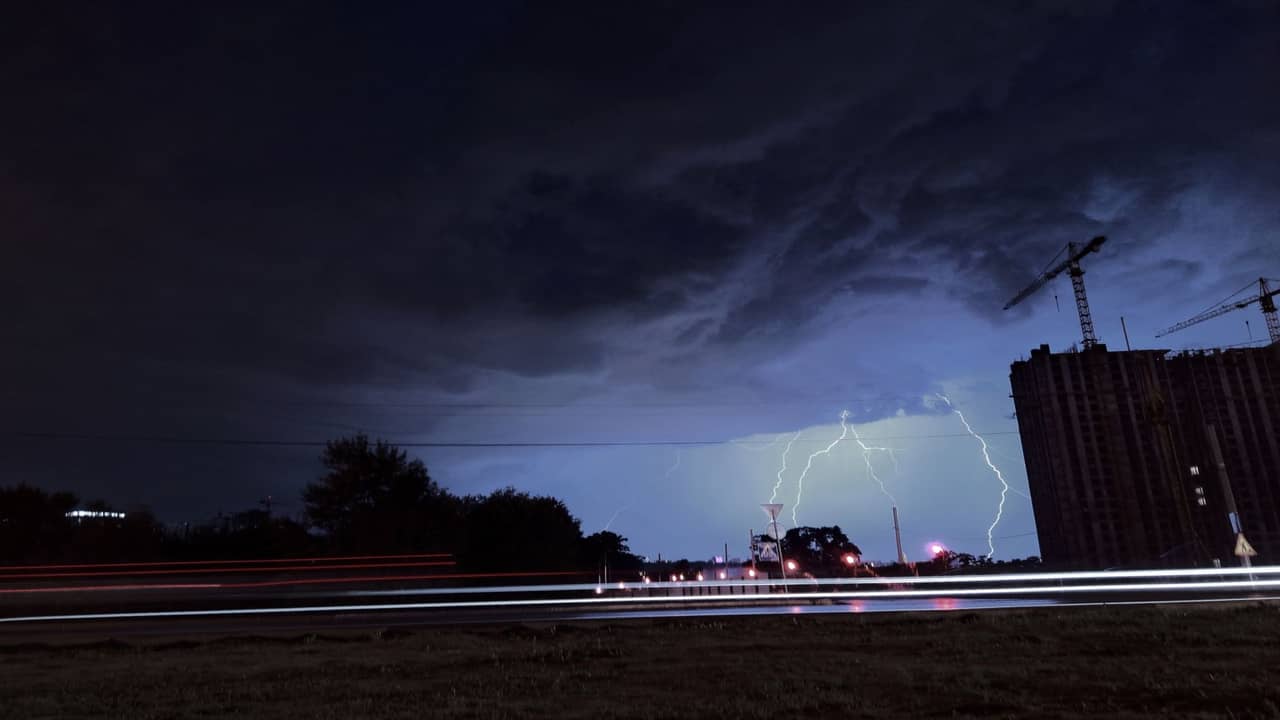
Grounding your Starlink dish against lightning strikes isn't optional on Nigerian roofs from April through October in the south — it's the difference between a survivable strike path and a fried dish, router, and laptop on the LAN. Lightning doesn't need a direct hit; induced surge on long cable runs wipes gear when mount and building earth aren't bonded.
DIY grounding with a nail to a rain pipe fails inspection, insurance, and physics. Professional installs drive earth electrodes, bond mount steel, cable shield, and indoor surge protection to a common reference — documented with resistance readings where estates require.
Why Starlink attracts lightning attention
Highest metal on the roof, long conductive cable to indoors, sensitive electronics on both ends. Gulf of Guinea and Niger Delta sites see frequent thunderstorms. Harmattan doesn't mean you're safe — dry dust still carries induced surge.
Earth electrode basics
Drive copper-clad or galvanized earth rods 2.4–3 m deep in moist soil away from foundation footings. Multiple rods bonded with 16 mm² copper tape if single rod exceeds 20 Ω target — many estates want under 10 Ω. Wet season test readings differ from March dust — document both if compliance requires.
Building earth tie-in
Where permitted, bond to building earth bar with approved clamp — not wandering plumbing that isn't an equipotential ground. Estates in Lekki sometimes mandate electrician sign-off.
Bonding the mount and cable
Starlink mount steel to earth conductor with stainless hardware. Bond cable shield at entry gland before cable runs indoors. Equipotential: dish frame, mount, shield, and surge protector earth all same potential — no loops through unrelated pipes.
Surge protection layers
Type-1/2 surge device on service entrance where budget allows; Type-3 on dedicated networking outlet protecting router and PoE. Replace MOVs after major strike — they sacrifice once. Starlink's power brick is not a building surge arrestor.
Common DIY failures we retouch
Single loose wire to AC earth with high resistance. Ground rod in dry sand under carport roof drip line. No bonding across plastic mount isolators. Indoor router on strip surge only — dish end unprotected. Conduit not continuous — strike jumps gap.
Lightning season maintenance
Inspect glands and earth clamps quarterly. Retorque after harmattan expansion. Re-test resistance after nearby strike — rods can fuse or loosen.
Professional handover
DataGram grounding scope includes rod depth, conductor gauge photos, clamp torque, and megger readings where required. Matches installation guide step 5 — we won't mount without earth on coastal and delta sites.
Port Harcourt and creek-adjacent compounds get enhanced surge discussion at survey.
Nigerian Electrical Code alignment
Work to qualified electrician standards — 16 mm² bonding conductor common for electrode to mount runs, shorter path preferred. PVC conduit on earth conductors where mechanical damage risk exists. Label 'SAT EARTH' at inspection point for next homeowner.
Strike aftermath procedure
If strike nearby: power down networking gear, inspect earth clamps for fusion, test resistance before re-energizing. Replace surge modules that tripped. Photograph damage for insurance before moving kit — adjustor wants causation chain.
Coordination with building lightning systems
High-rises with existing Franklin rods: bond Starlink mount to building LPS per engineer drawing — don't create isolated higher rod that attracts strike away from designed path. Estate engineers in Victoria Island sometimes mandate review.
Cost of professional grounding
Add ₦25k–₦80k+ to residential install depending on rod count, soil, and travel — cheap versus one router replacement plus dish RMA debate. Enterprise sites with multiple dishes scale electrodes accordingly.
Insurance documentation
Handover photos of earth rod, clamp, and megger reading satisfy many insurers — ask your broker before install, not after claim denial. DIY undocumented ground rarely qualifies as 'adequate protection.'
Seasonal checklist
Pre-rainy season (March–April south): retorque clamps, clear vegetation from rod head, test surge protector indicator LEDs. Post-harmattan: dust on connections — clean and recheck resistance.
Soil conditions across regions
Laterite Abuja may need longer rod or chemical treatment. Niger Delta moist soil often achieves low resistance quickly — still test. Rocky Enugu sites need multiple rods bonded — one rod fantasy fails.
Indoor equipment protection
Ground the dish outside; protect router indoors with Type-3 surge on dedicated outlet bonded to same earth reference. Split protection leaves a path through LAN ports frying routers.
Tenant vs landlord responsibility
Lease should say who maintains earth electrode — tenants moving out shouldn't leave floating mount on roof. Landlords inheriting orphan dishes need compliance survey before re-letting.
Myths that kill gear
'Starlink is low voltage so earth doesn't matter' — false. 'Lightning never hits same place twice' — false. 'Surge protector once protects forever' — MOVs sacrifice themselves.
Integration with whole-house protection
Main panel surge plus dish bond plus UPS — layers, not either-or. Electrician signs off bonding; installer signs off mount — both on home installation handover sheet.