
Future Trend
The Transition from Copper to LEO: The Demise of Legacy ISPs in Nigeria
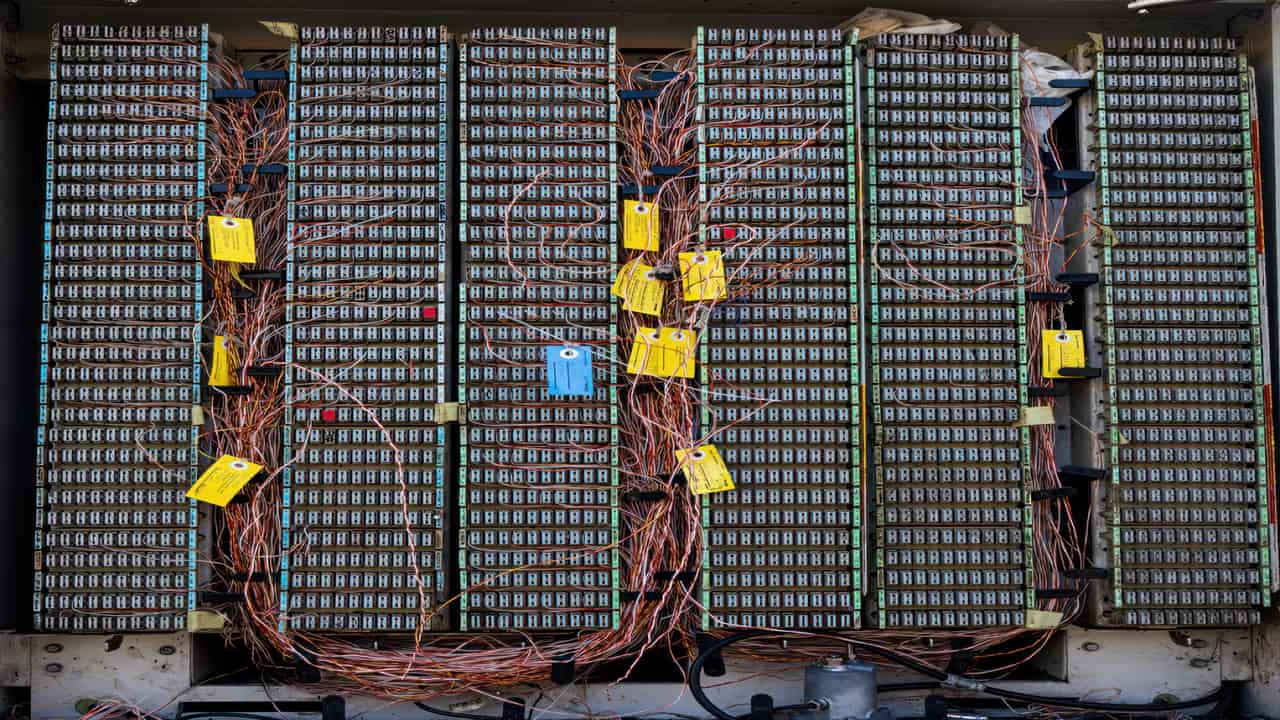
The transition from copper to LEO inspires triumphant op-eds and panicked ISP board decks in equal measure. Nigerian reality is messier: Starlink and cousins don't magically rip out Nitel-era copper from Lagos basements overnight, but they absolutely hollow out the business case for fixed wireless towers serving remote compounds and SME parks where maintenance teams already gave up. 'Demise of legacy ISPs' is headline bait; 'restructuring of last-mile economics' is the accurate fight.
Medium op-ed tone welcome: incumbents retain urban aggregation, billing relationships, and tower co-location — LEO eats underserved fringe and backup WAN first. If you're an IT lead tired of excuses from your current WISP, this piece names what changes by 2028 and what stays annoyingly the same.
What LEO actually displaces first
Rural fixed wireless with oversubscribed oversubscribed 5 GHz links. VSAT-heavy enterprise contracts priced like luxury goods. New estate developments where trenching fibre lost to developer timeline fights. Any site where install Starlink Monday beats ISP truck Q3.
Not displaced quickly: MDU fibre in served Lagos towers. Mobile-centric consumers on cheap data promos. Enterprises with diverse fibre paths and negotiated SLAs — they add LEO as WAN2 via enterprise design, not revolution.
Copper specifically
Legacy copper DSL where still alive bleeds users to mobile and fibre where available — LEO is another exit ramp for homeworkers in older Abuja districts still on contended DSL. Full copper switch-off nationwide? Don't hold breath without national policy plus replacement — but active investment in copper expansion? Dead letter outside nostalgia.
ISP response playbook
Resellers become install partners — smart ones already bundle professional Starlink mounts. WISPs pivot to managed Wi-Fi on customer LANs. Some die; some become LEO-plus-local-support brands without owning satellites.
Consumer winner and loser
Winners: compounds that were unconnected. Losers: ISPs who sold 'unlimited' that was neither, without upgrading backhaul. Consumers keep comparing speedtest screenshots — transparency wins.
Regulatory and jobs angle
NCC still licenses ISPs; LEO operators live under parallel frameworks — convergence pressure rises. Field tech jobs shift from climbing local towers to roof mounts and firewall cutovers — training gap is real.
2028 prediction — opinionated
Half of Nigerian fixed wireless ISPs serving rural/SME niches either merge or exit. Starlink isn't the only LEO — second constellation keeps price pressure. Urban fibre ISPs survive by owning building relationships LEO won't chase door-to-door. Hybrid every serious enterprise: fibre if you have it, LEO when you don't, 5G for phones.
Calling total demise is lazy. Calling business-as-usual for legacy last-mile is lazier.